
Natural wear and tear means most hardwood floors need refinishing every 10 to 12 years. But what happens when your old hardwood floors are beyond this standard solution? Refinishing can extend the lifespan of your floors. However, it’s not always the right answer. Severe damage makes refinishing impossible or ineffective. This includes mould, rot, and structural problems. This piece will help you identify when your floors can’t be saved through refinishing. You’ll also discover what alternatives you have. You’ll learn the warning signs to look for and why some floors are beyond repair. We’ll show you how to restore hardwood floor beauty through replacement, partial repairs, or alternative solutions.
Signs Your Old Hardwood Floors Can’t Be Refinished
You need to recognize damage that goes beyond surface-level wear to know when restoration efforts should stop. Some conditions make refinishing ineffective or impossible.
Extreme Water Damage and Rot
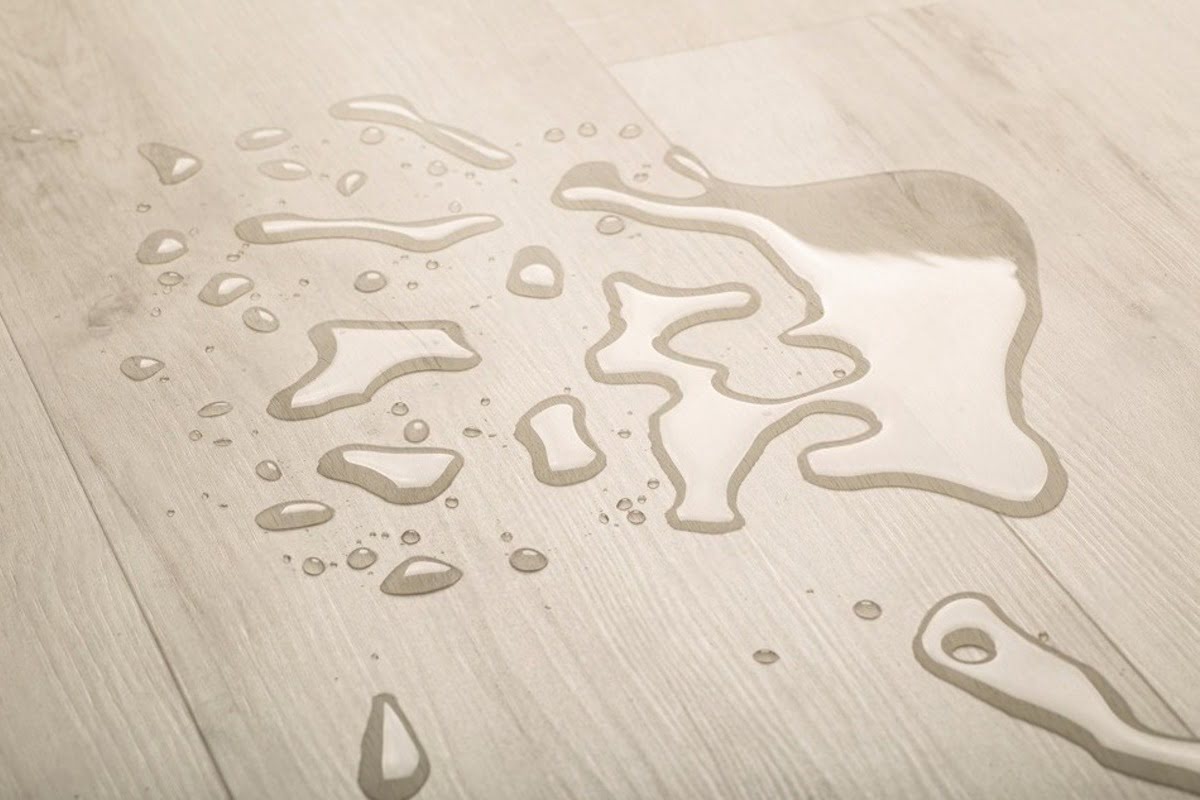
Standard sanding cannot fix problems that water creates. Your old hardwood floors weaken and lose structural integrity when they absorb moisture for extended periods. In many cases, damage starts below the surface, which is why understanding subfloor types and structure is critical before making any refinishing decision. Soft spots indicate rot. Wood at this stage needs replacement. Board edges rise higher than centres in a condition called cupping, which happens from moisture absorption below the floor. Crowning creates the opposite effect. Centres rise higher than edges. Boards detach from the subfloor in severe damage called buckling. Black staining along board edges signals mould or mildew growth from moisture exposure over time. The wood structure itself becomes compromised through these physical changes.
Wear Layer Completely Gone
Deep scratches, pet urine stains, UV discolouration, and gray worn areas can penetrate all the way to bare wood, and buffing or recoating won’t hide them. In high-traffic areas, you’ll see the exposed wood once the finish wears through. Adding more coats of finish won’t cover the damage if it has reached the wood itself. Think of it like sunburned skin—surface treatments cannot reverse damage that goes this deep.
Structural Problems and Subfloor Issues
Problems beneath your visible flooring make refinishing pointless. Sagging floor joists, moisture-damaged sheathing or uneven subfloors will cause new finishes to fail. Floors that feel soft, spongy or unstable underfoot indicate subfloor damage or rot. Weakened structural components cause excessive squeaking. Water damage from leaks or flooding can rot subfloor sections even after you eliminate the moisture source. Refinished flooring over compromised subfloors guarantees the same problems will reappear.
Extensive Termite or Pest Damage
Termites rarely limit destruction to surface flooring. They prefer softer wood in subfloors and support components beneath visible flooring. A hollow sound when you tap the floor indicates termite damage. They create cavities while consuming wood. Floor joists weakened by termite damage can collapse under furniture weight. Termite damage weakens floors and makes them more sensitive to movement, which causes excessive squeaking. Assume damage exists in the subfloor and supports underneath if termites damaged your surface flooring.
Why Some Old Hardwood Floors Are Beyond Refinishing
Understanding why refinishing becomes impossible helps you make informed decisions about your old hardwood floors. One authoritative NWFA sanding and finish guidelines publication recommends that a floor shouldn’t be sanded if the wear layer is too thin, because removing more material can compromise the structural integrity of the wood. Several factors limit refinishing options permanently, whatever the contractor’s skill level.
The Floor Has Been Refinished Too Many Times
Every time you refinish your floor, you remove about 1/32 of an inch of wood. Most solid hardwood floors tolerate 3 to 5 refinishes over their lifetime, though some sources suggest 4 to 7 times depending on how much wood you remove each time. Traditional 3/4-inch solid hardwood contains enough material for multiple refinishes when you do them correctly. If nail heads start to protrude, the floor may be too thin for further sanding. Excessive splintering also shows that you have sanded the floor too many times.
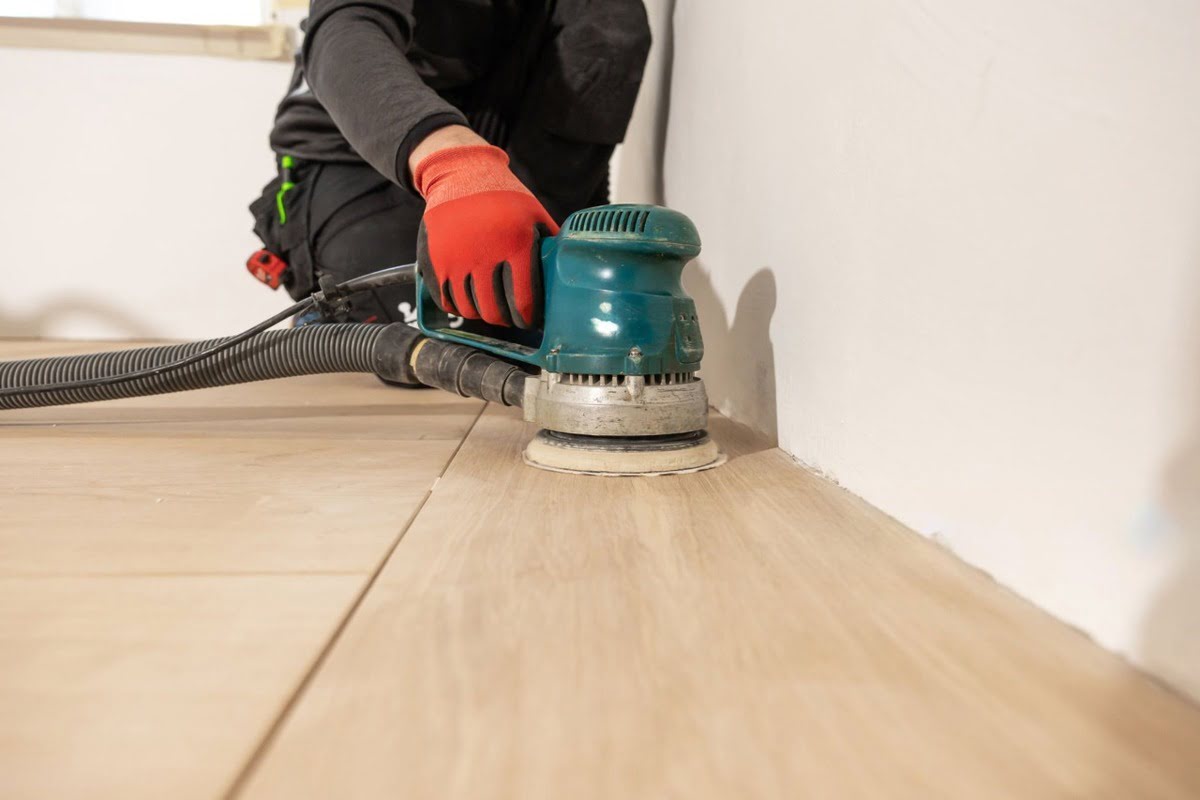
Rounded or soft edges along floorboards or stair treads mean the wood has been refinished multiple times already. Nail shadowing, which appears as faint lines or dark dots beneath the finish, indicates the wear layer is thinning. Refinishing is no longer safe once you get close to the tongue-and-groove portion of the wood board, and replacement becomes the only option.
Age and Deterioration of the Wood
Wood deteriorates over decades through repeated exposure to foot traffic, furniture weight and environmental changes. Pre-war homes were often built with thicker hardwood than modern installs, yet even these floors reach their limits eventually. Floors that have aged beyond their functional lifespan may lack the structural integrity needed to withstand sanding pressure.
Engineered Hardwood With Thin Veneer
Engineered floors have wear layers that determine refinishing potential. Some engineered floors have thick wear layers and allow 1 to 2 refinishes, while others aren’t designed to be refinished at all. The difference between engineered and solid hardwood becomes important here, since only certain materials can handle sanding. Thin wear layers are not suitable for traditional refinishing. Thin wear layers less than 2 millimetres are not suitable for traditional sanding and refinishing. Your engineered veneer layer is too thin to refinish without compromising the floor’s integrity if it is less than 1/8 of an inch thick or thinner than 3 millimetres.
Severe Cupping, Crowning, or Buckling
These conditions develop from prolonged moisture exposure and cannot be corrected through sanding alone. Minor cupping is a natural reaction to moisture, but severe cupping indicates a serious moisture imbalance. Sanding isn’t recommended in cases where floorboards heave upward. You may as well go with a new installation if multiple boards need replacement due to warping.
What to Do Instead of Refinishing
Several alternatives can restore your old hardwood floors or give you a fresh start when refinishing isn’t viable.
- Complete Floor Replacement
Full replacement becomes necessary with extensive damage from water or termites. This option makes sense when repair costs approach replacement costs or when damage affects most of your flooring surface. Persistent moisture or biological damage cannot be corrected with surface treatments alone, as noted in EPA mould guidance.
- Replacing Individual Damaged Boards
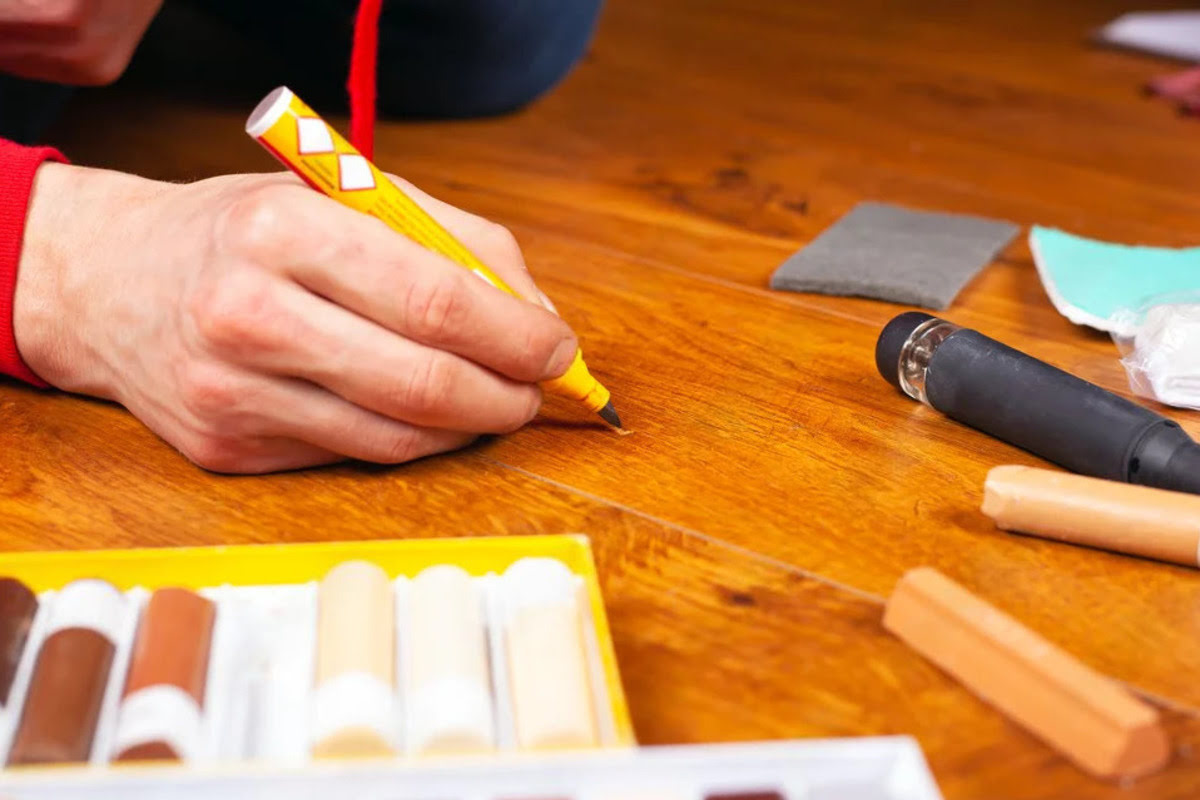
Targeted repairs work well with isolated damage. A single board replacement needs cutting along seams and removing damaged pieces. You’ll trim the replacement board’s tongue and secure it with glue and pins. Repairs near room edges are less noticeable and easier than centre repairs. Matching wood species will help blend the repair naturally. - Installing New Flooring Over Existing Floors
You can install perpendicular to existing hardwood and create a stable base without removal. Laminate needs a vapour barrier over hardwood to reduce sound and moisture transfer. This approach saves money but adds floor height. - Covering with Alternative Flooring Materials
Engineered hardwood offers authentic wood with better moisture tolerance. Luxury vinyl plank provides waterproof protection suitable for kitchens and bathrooms. Laminate delivers realistic wood visuals at budget-friendly prices but shouldn’t be used where extended wetness occurs. Porcelain tile planks mimic hardwood texture and offer superior durability with easy maintenance.
How to Decide Between Repair, Refinish, or Replace
Your budget plays a major role in this decision. Refinishing costs $4 to $7 per square foot, while replacement ranges from $14 to $28 per square foot. Refinishing offers an affordable solution when your floors remain structurally sound. The condition of your floors determines which path makes financial sense. Refinishing works for superficial damage such as scratches, scuffs, or dull finishes. But when over 30% of your hardwood floor has received damage, replacement becomes more budget-friendly than attempting repairs. You need to calculate the total affected area before committing to any option.
Think about how many times you have refinished your floors. Most quality hardwood can handle sanding and restoration at least 6 to 10 times. Check whether your floors have reached this limit to decide if refinishing still makes sense. Properly maintained hardwood floors can last 20 to 30 years before needing major work.
If water damage, rot, or warped planks affect your floors, replace them. Engineered hardwood with a thin veneer cannot withstand sanding, so replacement becomes the only solution. Let the damage extent and floor structure guide your choice rather than appearance alone.
Conclusion
You cannot save all old hardwood floors with refinishing, especially when damage goes deep. Assess your floors carefully, considering both damage and structural stability. Decide between targeted board replacement, full floor replacement, or alternative materials based on your budget and floor condition. Acting promptly prevents further deterioration and restores the beauty of your home.