
Getting rid of old carpet stains can be tough, and those stubborn spots that refuse to disappear make it even harder. A home’s carpet can get stained from occasional spills or smudges that seep into the fibres – even without kids or pets around. Quick action makes stain removal much easier, so tackle those spills as soon as they happen. Cleaning carpet stains might seem overwhelming at first. The bright side? You can lift almost any stubborn spot if you use the right technique and cleaning solutions.
This piece walks you through the most effective ways to remove stains from all types of carpets – whether you’re dealing with coffee spills, wine stains, pet accidents, or mystery spots. You’ll learn the exact steps to remove carpet stains using simple household items like club soda and specialized cleaners that handle the toughest messes.
Follow This 3-Step Method for Any Carpet Stain
Quick action and the right technique determine your success in removing carpet stains. You have the best chance to remove a stain completely if you act within 5–10 minutes of a spill. This simple 3-step method works on almost all carpet types and common stains.
Step 1: Remove excess solids or liquid
A spill needs immediate attention to stop it from seeping deeper into carpet fibres. Clean white cloths or paper towels work best for fresh spills since coloured towels might transfer dye. Work from the outer edges toward the centre to keep the stain from spreading.
Food or mud needs a spoon, butter knife, or plastic card to scrape away excess material. Lift the material up and away instead of rubbing or scrubbing, which pushes the stain deeper into carpet fibres.
Step 2: Apply a suitable cleaner
Once excess material is removed, treat the remaining stain on the carpet flooring. Use cleaners sparingly—too much moisture can damage the carpet backing. For most fresh stains, try these options in order:
- Plain cool water (surprisingly effective on many fresh spills)
- Mild detergent solution (¼ teaspoon clear dish soap in 1 cup warm water)
- White vinegar solution (equal parts white vinegar and water)
- Specialized carpet stain remover
Put the solution on a clean cloth rather than directly on the carpet. Your fingers or a soft brush can work the cleaner into carpet fibres down to the backing. Let the cleaner sit for about 5–10 minutes to break down the stain.
Step 3: Blot and dry the area
Spray clean water on the area after the cleaning solution has worked, then blot it really well with a clean, dry cloth. Keep rinsing and blotting until you remove all traces of cleaner and stain. Any leftover cleaning solution will attract more dirt.
The area needs to dry completely. Fold clean paper towels or white cloths into quarters and place them over the damp spot. A heavy object like a book or vase should weigh them down overnight. This “wicking” method pulls hidden stain residue from deep in the pile into the paper towels. The next morning, remove the towels and fluff the pile with your fingers before letting it air dry.
Stubborn stains might need another round of cleaning or a special cleaner designed for that specific stain type.
How to Clean Common Stains from Carpet
Each type of stain needs its own treatment method beyond the simple 3-step process. The core steps stay the same, but these specific techniques will help you remove common carpet stains at home.
Smart maintenance helps prevent stains, but it also makes it easier to recognize when ongoing issues point to the need for carpet replacement rather than another round of cleaning. The U.S. EPA notes that carpet can act as a reservoir for dust, dirt, pollen, and mould spores, which is one reason regular vacuuming and prompt spill cleanup matter. Keeping carpet clean helps reduce buildup and keeps everyday messes from turning into deeper, harder-to-remove problems.
Coffee and tea
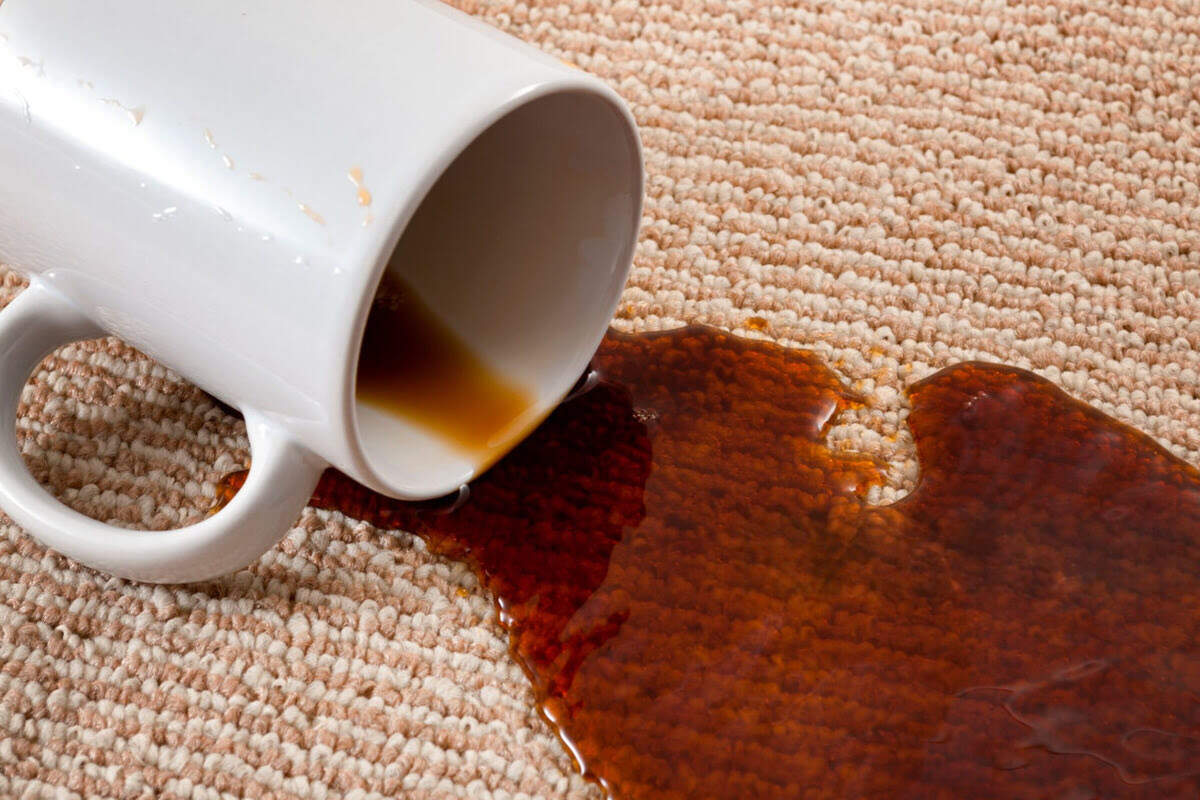
Coffee and tea’s tannins quickly bond with carpet fibres. Start by blotting up the liquid without rubbing it in. Fresh spills need club soda applied directly to the stain. Let it sit for five minutes, then blot with a clean cloth. You can also mix two tablespoons of hydrogen peroxide with one tablespoon of dish soap and work it gently into the stain. A water rinse and blotting will dry it. A solution of white vinegar and water (1:1 ratio) can remove any stubborn coffee marks.
Red wine and juice
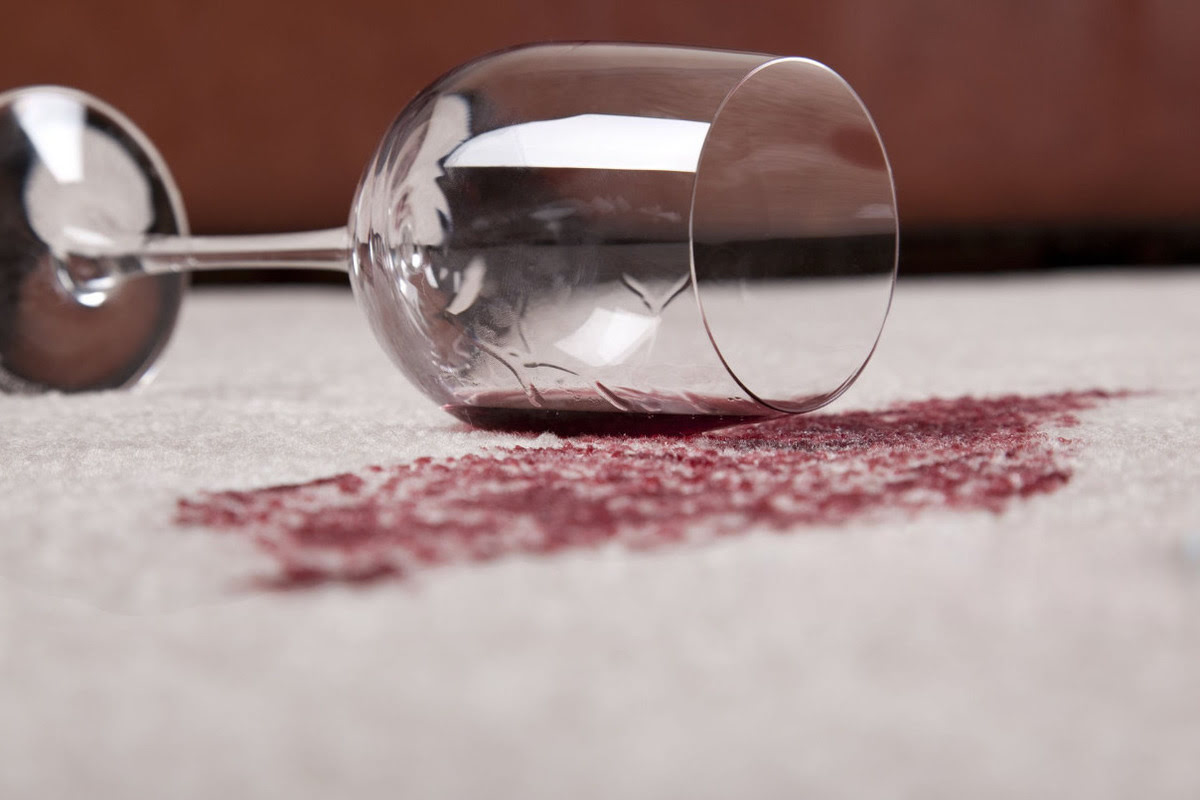
Red wine or juice spills need quick action. Blot with paper towels first, then spray club soda on the area. A clean microfiber cloth will help you blot until the stain lightens. Tough stains might need a mix of white vinegar and water (1:1 ratio) applied to the spot. The solution needs a short time before blotting. Cranberry and grape juice stains are harder to remove – mix rubbing alcohol (⅔ cup) and distilled white vinegar (2 tablespoons) and let it sit for 10 minutes to break down these tough dyes.
Pet urine and odours
Pet accidents need swift attention. Paper towels help blot up most of the urine. Steam cleaners or hot water should be avoided since heat can lock the odour into carpet fibres. An enzymatic cleaner made for pet stains works best as it breaks down urine’s proteins. The cleaner needs time to work according to its instructions for full penetration. Old stains might need multiple treatments or a professional cleaner’s specialized pet stain services.
Chocolate and food stains
Chocolate stains are easier to handle when you chill the area with ice in a resealable bag if the chocolate hasn’t hardened. A butter knife or credit card edge helps scrape off the hard bits. Mix ¼ teaspoon of dish soap with a cup of warm water and apply it to the remaining stain. Work from outside to centre and wait five minutes before blotting with a clean cloth. Shaving gel works well on greasy food stains – apply some, wait a few minutes, then blot it away.
Choose the Right Cleaner for the Stain Type
The choice of cleaning agent makes a huge difference in removing stubborn carpet stains. Different cleaners create specific chemical reactions with various stain types.
When to use baking soda
Baking soda stands out as a natural, safe cleaner. It absorbs odours, lifts dirt, and breaks down stains without damaging carpet fibres. This common household item tackles both greasy and non-greasy stains effectively. You should sprinkle it generously and wait at least 15 minutes to eliminate odours—leave it overnight for stubborn smells. A combination of baking soda and white vinegar creates a powerful fizzing reaction that helps remove tough stains.
When to use hydrogen peroxide
Hydrogen peroxide acts as an oxidizing agent that breaks down chemical bonds in organic stains. This solution removes blood, coffee, wine, juice, and other organic matter exceptionally. You should dilute it to a 3% concentration to avoid bleaching or fibre damage. The solution damages natural fibres like wool or cotton severely, so avoid using it on these materials.
When to use enzymatic cleaners
Enzyme-based cleaners target protein-based stains at the molecular level. These solutions remove pet accidents, food spills, and their odours effectively. Regular cleaners just mask smells, but enzymatic formulas eliminate odour sources completely. Your pets won’t mark the same spot again as a result.
When to avoid hot water
Hot water can set protein-based stains like blood, milk, or pet accidents permanently into carpet fibres. The same applies to wine or juice stains. Cold water extraction proves more effective for these spills.
If stains keep returning, odours linger, or fibres stay matted after cleaning, it’s often a clear sign that the carpet has reached the end of its service life and should be replaced.
Prevent Future Stains with Smart Maintenance
Preventing carpet stains works better than trying to remove them later. A regular maintenance routine will reduce emergency spot treatment needs.
Vacuuming regularly
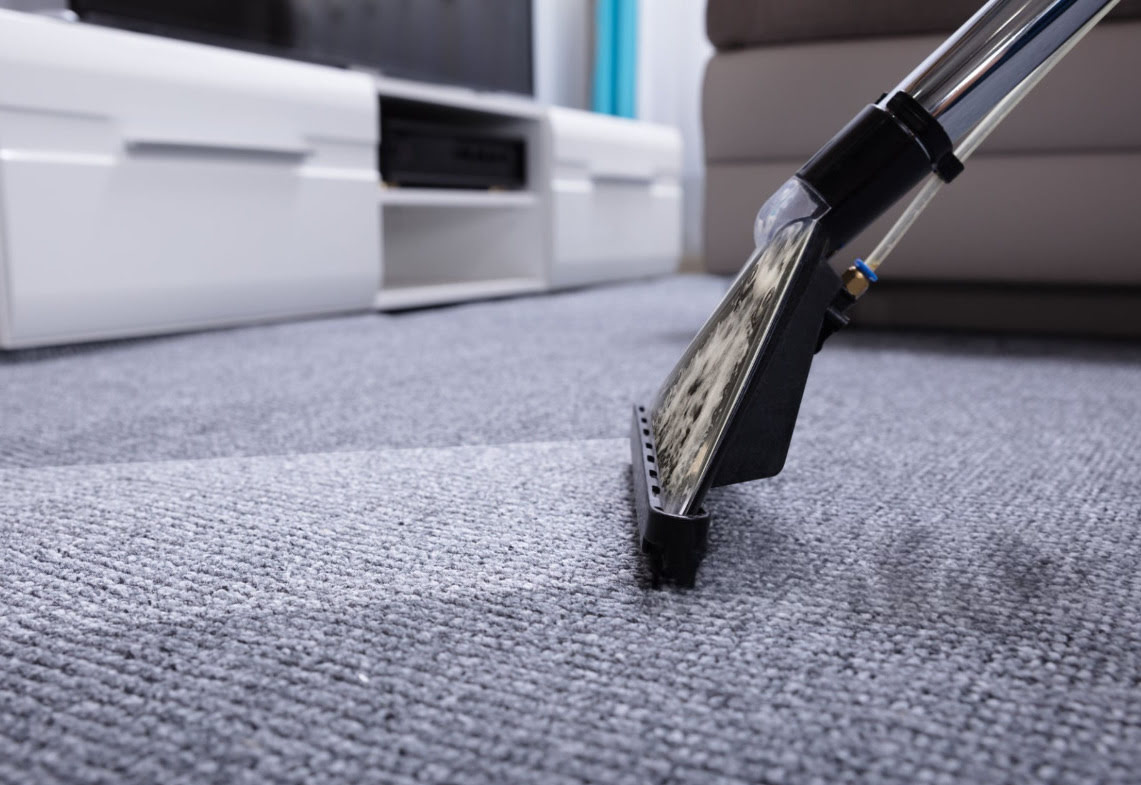
Regular vacuuming is the foundation of good carpet care. You should vacuum high-traffic areas two to three times weekly to stop dirt from getting deep into carpet fibres. This habit removes loose dirt particles that work like tiny sandpaper and destroy carpet fibres if left untreated. Regular vacuuming also keeps carpet fibres upright and bouncy, which maintains their structure. The best results come from moving the vacuum slowly in multiple directions, especially in entryways and areas where people walk often.
Dealing with spills immediately
Quick action is your best friend when accidents happen. The first 10 minutes after a spill can determine whether you’ll end up with a permanent stain. Keep a “carpet emergency kit” ready with white cloths, mild detergent, and spray bottle. As soon as you notice a spill, blot (never rub) with a clean cloth and work from the outside toward the centre to avoid spreading. Quick response stops liquids from soaking into carpet backing where they become almost impossible to remove.
Seasonal deep cleaning tips
Professional carpet cleaning should happen every 12–18 months, beyond your routine maintenance. Homes with children, pets, or heavy foot traffic need cleaning twice yearly. Spring-cleaning removes winter’s built-up allergens and refreshes your carpet’s look. A mid-summer cleaning gets rid of seasonal pollens. Your carpet’s life extends with professional deep cleaning because it prevents abrasive particles from building up and damaging fibres over time.
Conclusion
Carpet stains can look daunting at first glance. But with the right techniques and cleaning solutions, you can tackle almost any spill or mark. Clean stains help maintain your carpet’s appearance, but prevention works nowhere near as well in the long run. Your carpet’s lifespan extends with regular hoovering, quick response to spills, and seasonal deep cleaning. These habits keep your floors fresh and protect your investment from permanent fibre damage.