

Asking the right questions to ask a flooring contractor can make the difference between a smooth renovation and an expensive mistake. Installing a floor is part of investing in your home, so hiring a contractor you trust is essential for peace of mind. While referrals are valuable, cost also matters. Generally, getting three quotes is good practice, though prices can vary widely. To help you work with a contractor who delivers quality and value, the team at BC Floors in Vancouver has compiled a list of key questions to ask a flooring contractor.
Why These Questions Matter?
Hiring a flooring contractor isn’t just about finding someone to lay down planks. The right professional ensures your floors are installed correctly, last for years, and meet manufacturer standards. Asking the right questions upfront helps you separate reliable contractors from those who might cut corners or leave problems behind. Before diving into quotes and proposals, it’s worth understanding what credentials, experience, and protections matter most. For more on selecting the right material, check our guide on choosing flooring.
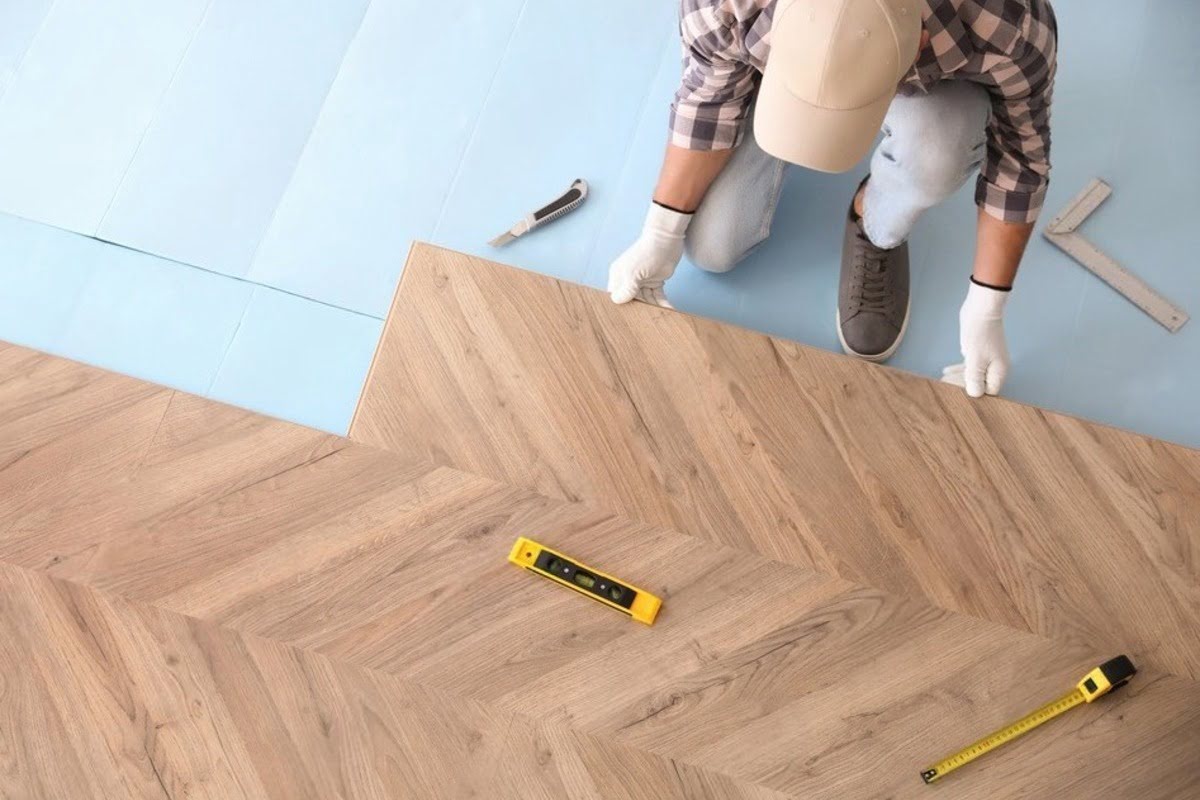
1. Licensing, Insurance, and Credentials
Verifying credentials protects you from unqualified contractors who could damage your property or leave you liable. Licensing requirements vary by location, so check your provincial or municipal board. Contractors may need specific licenses, and certifications can indicate additional training and professional development.
Insurance coverage helps protect against financial risk. Many flooring contractors carry commercial general liability of at least $1–2 million. Confirm professional liability, pollution, and commercial auto coverage, as well as tools and equipment insurance. If you provide payment information, check cyber liability protection.
Ask for references from past clients. They give insight into workmanship, professionalism, and whether timelines and budgets were met. These checks build confidence in your project.
2. Experience With Your Type of Flooring
Flooring contractors specialize in specific materials, and proper installation helps maintain manufacturer warranties. Warranties generally cover material defects when installation follows guidelines; improper work or conditions may void coverage. Ask about experience with hardwood, vinyl, tile, or laminate.
Installation varies with flooring type and subfloor. Nail-down suits solid hardwood over wood, glue-down works for engineered hardwood on concrete, and floating is faster but feel depends on underlayment. Ask about crew structure and quality control, and whether they offer warranties. Specialists focused on flooring usually have more experience than general contractors.
3. Detailed Estimate and Scope of Work
A proper estimate separates materials, labor, and preparation. Undefined inclusions can lead to extra costs. Pricing varies with how each contractor defines scope. Clarify what’s included in removal, leveling, and prep. For help planning costs, see our article on cost to install hardwood floors.
Request a detailed material breakdown: type, quantity, unit rates, and waste allowance, usually 5–10%. Confirm whether trim, thresholds, and stair nosing are separate line items. Labor is usually per square foot or per day. Installation costs in Canada typically range from $3 to $12 per square foot, depending on complexity. Government guidance emphasizes having a written contract that outlines all costs, work scope, timelines, payment schedules, and proof of insurance, which helps protect homeowners from unexpected charges.
Subfloor prep can drive costs. Ask whether moisture testing, leveling, or structural repairs are included. Check if furniture moving and floor protection are covered. Vague definitions may lead to price changes later.

4. Subfloor Evaluation and Preparation
Subfloor condition determines how long your new flooring will last. Ask the contractor how they assess existing subfloors and whether they perform moisture testing, especially on concrete slabs. Moisture meters can reveal hidden dampness that would otherwise go unnoticed.
Flatness is crucial for a smooth installation. Check how contractors measure levelness and what tolerances they accept. Flooring types require subfloors to meet specific flatness standards; exceeding these limits can cause wear, cracking, or hollow spots.
Structural integrity also matters. Ask how they detect soft spots, squeaks, or deteriorated sections. Rotted joists or water-damaged plywood can compromise any flooring installed above them.
Preparation methods vary depending on the findings. Confirm which products they use for leveling compounds, primers, or moisture barriers, and ask about required curing times. Skipping proper prep may save time initially but often leads to performance problems. Also, clarify whether prep costs are included in the estimate or require approval for extra work.
5. Project Timeline and Payment Terms
Timeline expectations differ by flooring type and project scope. Hardwood installation for smaller residential areas may take just a few days once prep is complete. Larger projects typically finish within 3–4 weeks. Ask for specific start and completion dates and account for material acclimation, which can take 3–7 days.
Most contractors request deposits from 10% to 50% to secure materials, with remaining payments linked to milestones. Avoid paying 100% upfront. Progress payments protect both parties by tying disbursements to completed stages.
Final payments are usually made after project completion and walkthrough approval. Request written payment agreements specifying total costs, payment dates tied to measurable milestones, and accepted payment methods. If deposits are requested more than two months ahead, ask whether they are held in trust accounts.
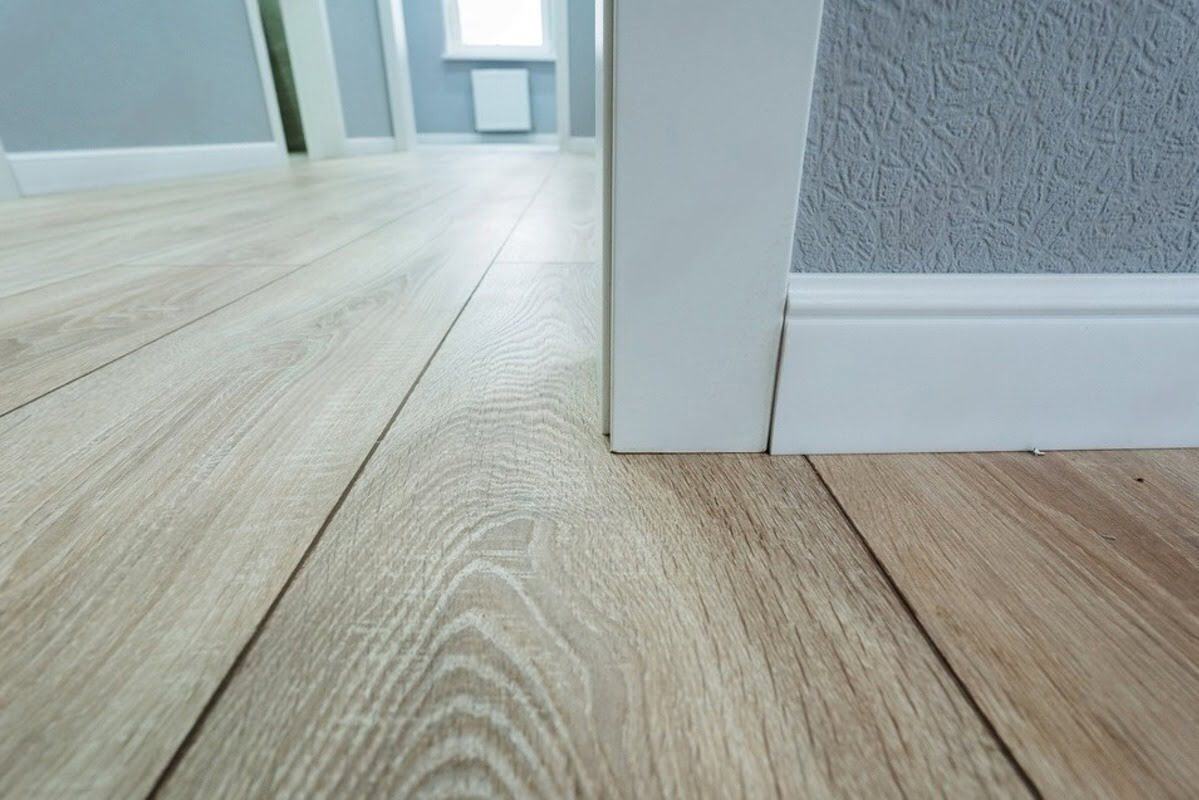
6. Warranties and Post-Installation Support
Understanding warranty coverage is essential before signing any contract. Warranties provide written assurance that workmanship or installation defects will be corrected. Flooring warranties usually fall into three categories: workmanship covering labor, manufacturer covering product defects, and structural covering safety-critical elements.
Ask about workmanship warranty duration and response timelines. Coverage periods vary, but many residential installers provide a defined timeframe. Clarify what defects are covered, such as misaligned millwork, improper installation, or water intrusion, and request documented response windows.
Manufacturer warranties cover product failures, like surface wear on laminate, often for 10–25 years. Ask whether the contractor will coordinate claims or if you handle them. Responsibility may depend on whether the issue is material- or installation-related.
Conclusion
Asking the right questions protects your flooring investment and prevents costly mistakes. Start by verifying credentials, insurance coverage, and specific experience with your flooring type. Request detailed estimates that break down materials, labor, and preparation costs separately. Clarify subfloor evaluation methods, project timelines, and payment structures before signing any contract. Above all, understand warranty coverage for both workmanship and materials.
Every flooring contractor at BC Floors in Vancouver is a professional who combines craftsmanship and artistry. We have the experience, resources, and personnel to complete your project in a timely and cost-effective way. To learn more, contact 604-343-4101 or info@bcfloors.ca.