Choosing between linoleum flooring rolls and vinyl can be surprisingly challenging for homeowners looking to update their spaces. Despite sharing similar appearances, these two flooring materials differ significantly in composition, durability, and environmental impact. When comparing linoleum vs vinyl, understanding their fundamental differences becomes crucial for making an informed investment. Linoleum, made from natural materials like linseed oil and wood flour, offers different benefits than petroleum-based vinyl. Although both materials serve similar purposes, they vary in cost, longevity, and maintenance requirements.
Material Composition: What Are They Made Of?
The fundamental difference between linoleum and vinyl flooring begins with what they’re made of–one derived primarily from nature, the other from synthetic chemicals. This composition difference affects everything from durability to environmental impact.
Linoleum: Natural and biodegradable
Linoleum flooring rolls originate from entirely natural substances, making them one of the most environmentally friendly flooring options available. Composed of approximately 98% natural, bio-sourced or mineral materials, linoleum contains:
- Linseed oil – extracted from flax seeds, serves as the primary binding agent (hence “lin-oleum”)
- Cork dust and wood flour – provide strength and structure
- Pine rosin – adds hardness and resilience
- Ground limestone – serves as a mineral filler
- Natural pigments – for colouration
- Jute fibre backing – provides stability and support
The production process involves oxidizing linseed oil, mixing it with the other ingredients, then pressing this mixture onto jute backing where it cures and hardens. Moreover, the colour in linoleum runs throughout the entire material, not just on the surface.

Vinyl: Synthetic and petroleum-based
In contrast, vinyl flooring is entirely synthetic, primarily made from polyvinyl chloride (PVC), a plastic derived from petroleum and chlorine-based chemicals. A typical vinyl floor contains:
PVC resin forms the core structure, while plasticizers (often phthalates) make the material flexible. Stabilizers protect against heat and UV damage, and fillers like limestone add bulk and durability. The top layers include printed design layers and transparent wear layers of tougher PVC or urethane.
Vinyl flooring became popular in the 1960s as a cheaper alternative to linoleum, essentially representing an entirely different category of flooring despite similar appearances. Unlike linoleum, where colour permeates throughout, vinyl typically features a photographic design layer protected by a clear wear layer.
Environmental impact of each material
The environmental footprints of these materials differ, with linoleum standing out as the greener choice. Its ingredients come from renewable sources—flax for linseed oil, jute for backing, cork harvested without harming trees, and wood flour often from sawdust.
Linoleum is biodegradable and can be composted, unlike vinyl, which has a petroleum-based origin and releases toxic chemicals including chlorine gas, ethylene dichloride, and dioxins. Although vinyl manufacturing uses 15% less energy than linoleum, its long-term environmental impact remains higher.
Indoor air quality is also a concern: linoleum emits very low levels of VOCs, while vinyl can release VOCs and phthalates, with 29% of PVC flooring exceeding the 0.1 wt% threshold. This explains why green-minded consumers increasingly prefer linoleum, as it creates less environmental burden.
Appearance and Design Options
The visual appeal of flooring plays a crucial role in interior design, yet how linoleum and vinyl differ aesthetically extends beyond mere appearance to performance over time.
Vinyl: Wide range of patterns and textures
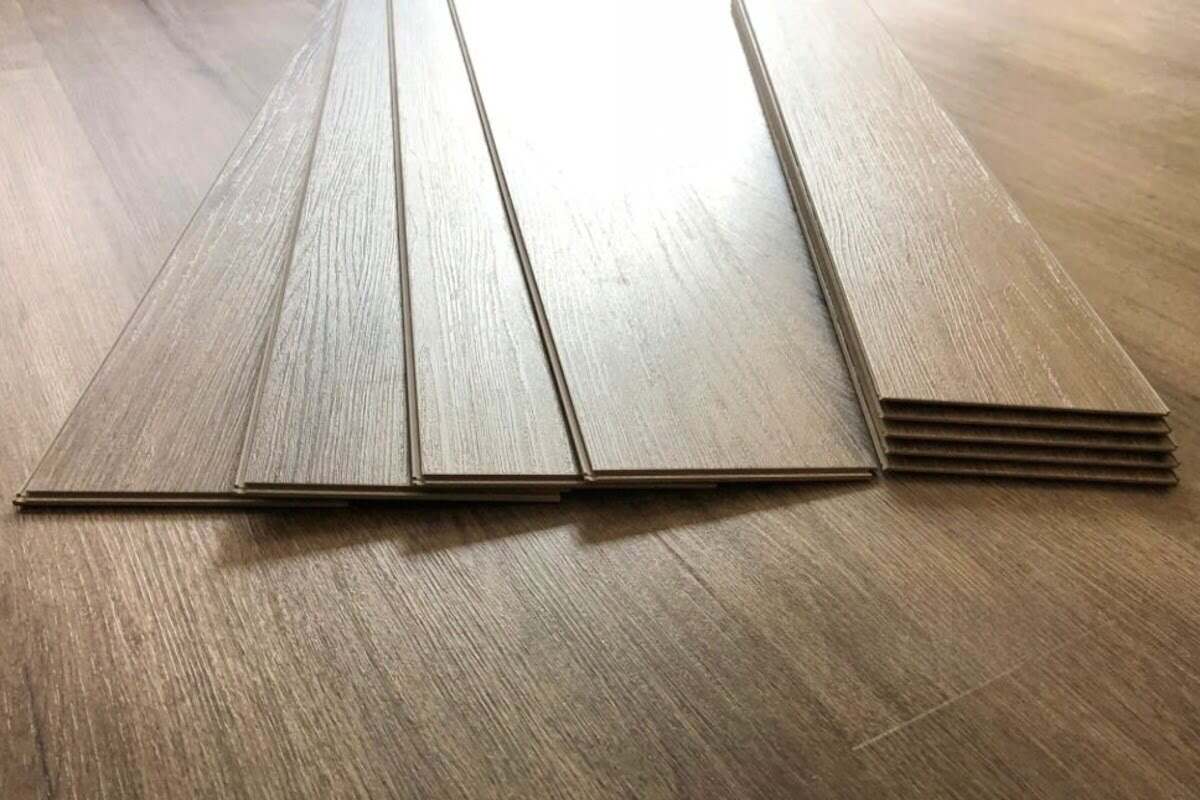
When it comes to design versatility, vinyl flooring offers nearly limitless possibilities. Unlike its natural counterpart, vinyl uses advanced printing technology to reproduce almost any pattern imaginable. This capability allows manufacturers to create realistic replicas of premium materials like hardwood, stone, and ceramic tile without the associated maintenance or cost.
The design process for vinyl involves a sophisticated layer of printed imagery beneath a clear wear layer. This technology enables extraordinary detail in textures and patterns. Some premium collections feature up to 15 preset patterns with 9 geometric shapes that can be combined in countless configurations.
Vinyl’s flexibility extends to specialized designs for particular environments:
- Residential spaces with wood and stone looks
- Commercial settings with abstract or geometric patterns
- Custom commercial branding with corporate colours or logos
For homeowners seeking personalization, vinyl provides the opportunity to combine different textures, patterns, and colours to create truly unique floors. Indeed, vinyl planks typically mimic hardwood or laminate and have become increasingly popular due to their 100% waterproof properties and stylish appearance.

Linoleum: Limited but colourfast options
Whereas vinyl relies on surface printing for its appearance, linoleum’s colour permeates the entire thickness of the material, creating what manufacturers call “colourfast” flooring. This structural difference means linoleum maintains its appearance even as the surface wears down over decades.
The design options for linoleum flooring rolls, however, remain somewhat more constrained. As essentially a dyed product, linoleum offers a more limited selection of colours and patterns compared to vinyl’s expansive catalogue. Nevertheless, quality linoleum brands like Forbo’s Marmoleum still provide impressive variety with over 300 colours and designs available in sheet, tile, and plank formats.
Linoleum’s design capabilities include:
- Marbled patterns with subtle colour variations
- Linear designs with directional streaking
- Concrete-inspired looks with muted textures
- Solid colours with consistent saturation
For distinctive installations, linoleum can be water-jet cut to incorporate logos or intricate designs, a technique used in commercial and institutional settings. This allows for creative applications that highlight linoleum’s unique environmental benefits.
How each material ages over time
The aging process reveals the most significant visual difference between these flooring types. Vinyl’s appearance depends on its protective wear layer, so damaged areas show through to the core, and heterogeneous colours may occasionally yellow when exposed to moisture. Conversely, linoleum’s colour runs throughout the material, allowing it to age more gracefully, though it can yellow in consistently shaded areas. For scratches and minor damage, linoleum holds an advantage, as superficial marks blend in more effectively than with vinyl.

Durability and Maintenance Over the Years
The performance of flooring materials over time separates good investments from great ones. For homeowners weighing linoleum vs vinyl, understanding how each material withstands daily life becomes crucial to making an informed choice.
Scratch and dent resistance
Physical durability varies significantly between these flooring options. Linoleum rolls contain softer materials, making them more susceptible to scratching and gouging, but superficial scratches remain less obvious due to its through-body colour. Vinyl, alternatively, offers superior resistance to everyday wear, with many modern options incorporating dent-resistant layers and durable wear surfaces. Luxury vinyl flooring with specialized coatings can be up to six times more scratch-resistant than standard options.
Moisture and heat tolerance
Vinyl flooring clearly outperforms linoleum in water resistance, being completely waterproof and suitable for bathrooms, kitchens, and basements, with heat-welded seams preserving subflooring. Linoleum offers only water resistance and can curl at corners or seams without proper sealing, making it less ideal for high-moisture areas. Regarding heat, linoleum holds the advantage, withstanding high temperatures that can cause vinyl to melt or emit toxic chemicals.
Sealing and upkeep requirements
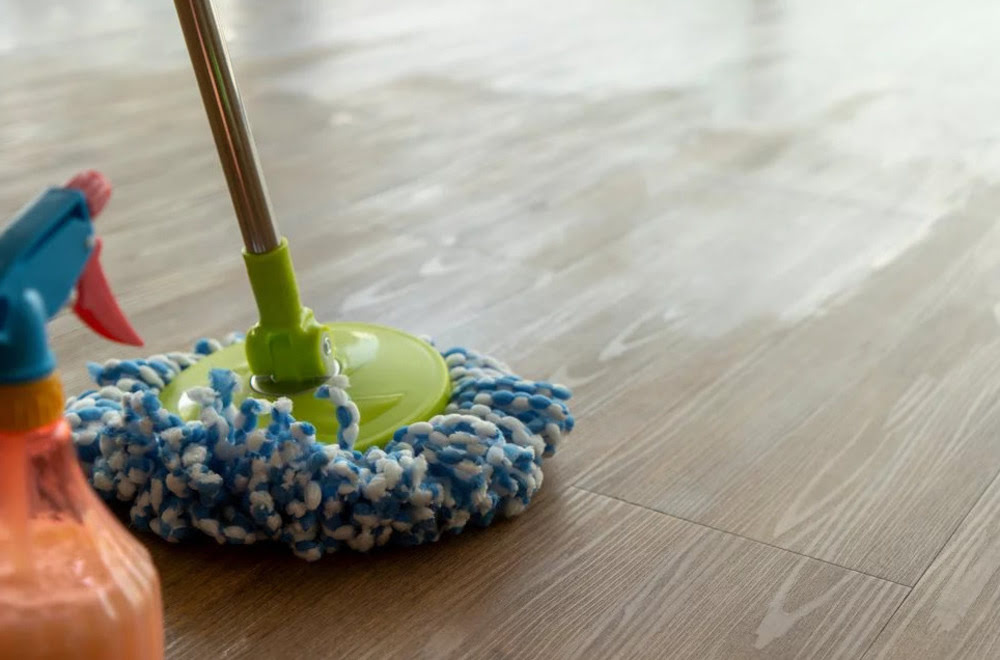
Vinyl flooring requires minimal upkeep, with regular sweeping and occasional damp mopping generally sufficient. Linoleum demands more attentive care, needing annual sealing to maintain water resistance and preserve colour patterns, and occasional waxing for unsealed surfaces. Vinyl accepts almost any detergent without damage, whereas linoleum requires pH-balanced cleaners to avoid deterioration.
Expected lifespan of each material
Properly maintained linoleum flooring can last up to 40 years, making it an attractive long-term investment. Vinyl typically lasts 10 to 20 years and maintains its appearance until the wear layer deteriorates. The cost difference is partially offset by lifespan, as vinyl costs less initially but requires earlier replacement, while linoleum offers extended durability.
Installation and DIY Friendliness
The installation process represents a critical factor when deciding between flooring options, with distinct differences in how linoleum and vinyl materials are handled and placed.
Sheet vs tile formats
Both linoleum and vinyl come in sheet and tile formats, but with notable differences in installation difficulty. Vinyl sheets with fibreglass backing allow for easier installation, often requiring no adhesive for a simple “spread and done” approach. Accordingly, linoleum sheets demand more effort as they must be glued down completely. For tile options, both materials offer interlocking systems that allow for floating installation without adhesives, making them similarly DIY-friendly.
Ease of cutting and fitting
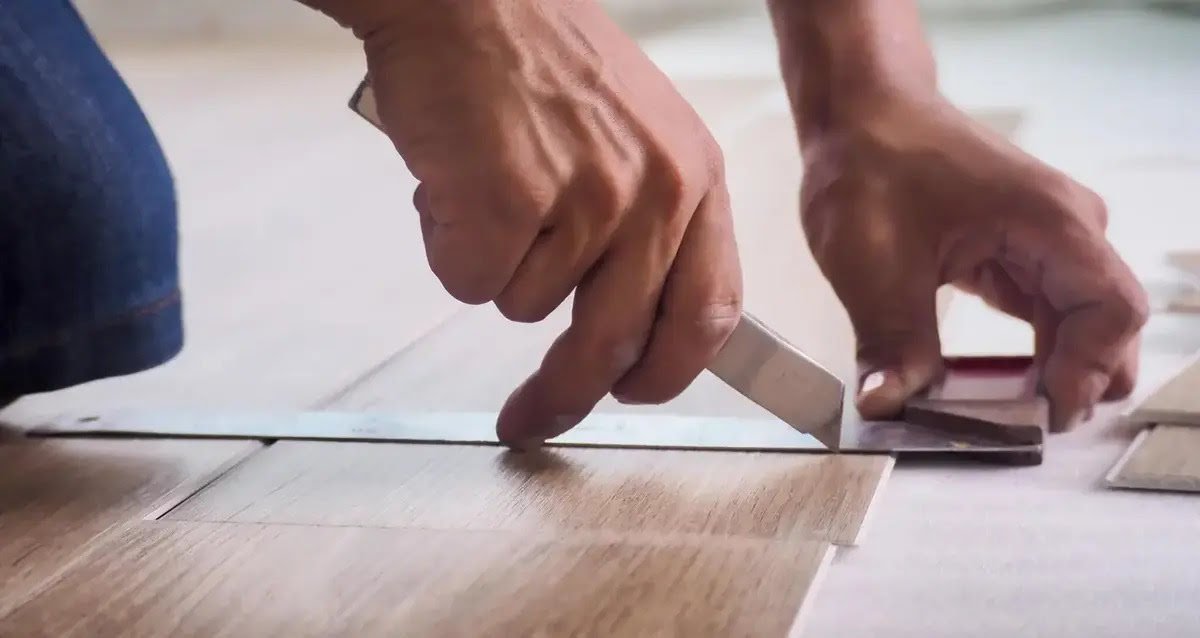
Vinyl’s softer, more pliable nature makes it substantially easier to work with, especially in tight areas or corners. Linoleum, being stiffer, presents greater challenges when cutting and fitting into complex spaces. For instance, sheet linoleum can be particularly difficult to manoeuvre in rooms with irregular shapes or numerous obstacles. Both materials require a smooth, flat underlayment since their thin, flexible nature allows imperfections to telegraph through to the surface.
Tools and adhesives required
Installing either flooring type requires basic tools like a utility knife with straight and hook blades, tape measure, chalk line, adhesive trowel, and a roller. Alongside these basics, vinyl tile installation may require a tapping block and pull bar for click-lock systems. Adhesives for vinyl floors should feature qualities such as fast drying time, plasticizer-migration-resistance, and moisture resistance. Linoleum typically requires specialized adhesives designed specifically for its composition.
Professional vs DIY installation
For DIY enthusiasts, vinyl clearly offers advantages over linoleum. Vinyl tiles–particularly peel-and-stick varieties—rank among the easiest flooring materials to install. In fact, professional installation for vinyl sheets is relatively affordable, typically costing $160 for DIY materials versus up to $1500 per room for professional installation. Linoleum sheets almost always require professional installation due to their stiffness and glue-down requirements. Thus, homeowners should consider professional help if their project involves uneven subfloors, complex room designs, or larger spaces.
Cost Breakdown and Long-Term Value
Making a sound financial decision about flooring extends far beyond the initial price tag. Understanding the complete cost picture of linoleum flooring rolls versus vinyl requires examining several factors that impact your investment over decades.
Material cost per square foot
Vinyl flooring typically represents the more budget-friendly option upfront. Sheet vinyl costs between $0.7 and $2.80 per square foot, while vinyl tiles average around $4.90 per square foot. Standard vinyl planks range from $2.80 to $9.80 per square foot.
Alternatively, linoleum commands higher initial prices. Sheet linoleum costs approximately $2.80 to $6.90 per square foot, with premium options ranging from $6.90 to $9.80 per square foot. Linoleum tiles generally run $4.20 to $6.90 per square foot.
Installation costs
Professional installation adds substantial expense to both flooring types, albeit with noticeable differences. Vinyl installation typically costs $4.20 to $13.90 per square foot in labour, offering a more economical starting point.
Conversely, linoleum installation proves more expensive, ranging from $1.40 to $6.90 per square foot, with some professional installations reaching $14.00 to $27.90 per square foot due to more complex preparation requirements.
Maintenance and repair expenses
Vinyl floors demand minimal maintenance expenses beyond regular cleaning. Nonetheless, repairs become necessary over time, with common vinyl floor repairs averaging $610 to $880 per project.
Simultaneously, linoleum requires more regular upkeep, including annual waxing costing approximately $70 to $140. Linoleum floor repairs typically range from $700 to $4,200, with an average of $1,500.
Which offers better value over time?
Considering longevity, linoleum often outlasts vinyl, lasting 30-40 years compared to vinyl’s 10-20 years. Given this difference, linoleum’s higher initial investment can be more economical long-term, as a space might need two complete vinyl replacements during the lifetime of a single linoleum installation. Ultimately, vinyl offers lower upfront costs and minimal maintenance for shorter-term occupancy, while linoleum’s extended lifespan and fewer replacement cycles make it the superior long-term investment for homeowners planning to stay in their properties for decades.
Conclusion
Ultimately, the better value depends on your priorities, as vinyl provides lower upfront costs and minimal maintenance, while linoleum’s extended lifespan and fewer replacement cycles frequently represent the superior long-term investment. Choosing between linoleum and vinyl flooring requires considering both aesthetic preferences and practical needs, with each material excelling in different aspects of performance, appearance, and environmental impact.