

Learning to make laminate floors shine can change your dull floors back to their original beauty. Laminate flooring tends to dull easily. Streaks and cloudy film appear over time. Here’s the good news: you don’t need expensive professional help to restore that showroom shine and maintain it. This piece shows you exactly how to clean laminate flooring effectively and which laminate floor cleaner works best. You’ll find proven methods to shine laminate floor surfaces naturally. Simple techniques will restore dull laminate floors, and daily care habits will keep them looking brand new for years.
What Makes Laminate Floors Dull Over Time
Laminate floors appear vulnerable despite their tough exterior. The shine you see doesn’t come from the material itself but from a protective top coating applied during manufacturing. Cleaning expert Alicia Sokolowski explains, “Laminate floors are made with a protective top coating, not real hardwood. The shine or lustre comes from that layer, and not from waxing or polishing”.
Improper cleaning methods account for about 70% of cases where floors lose their shine, from harsh cleaners or wrong tools that wear away this protective layer. The dulling happens through several processes.
Residue buildup is a major cause of dull laminate floors, as waxes or oils from cleaning products and manufacturing overspray settle on surfaces and attract dirt. These residues account for around 55% of shine loss, while cooking oils from indoor use worsen the effect.
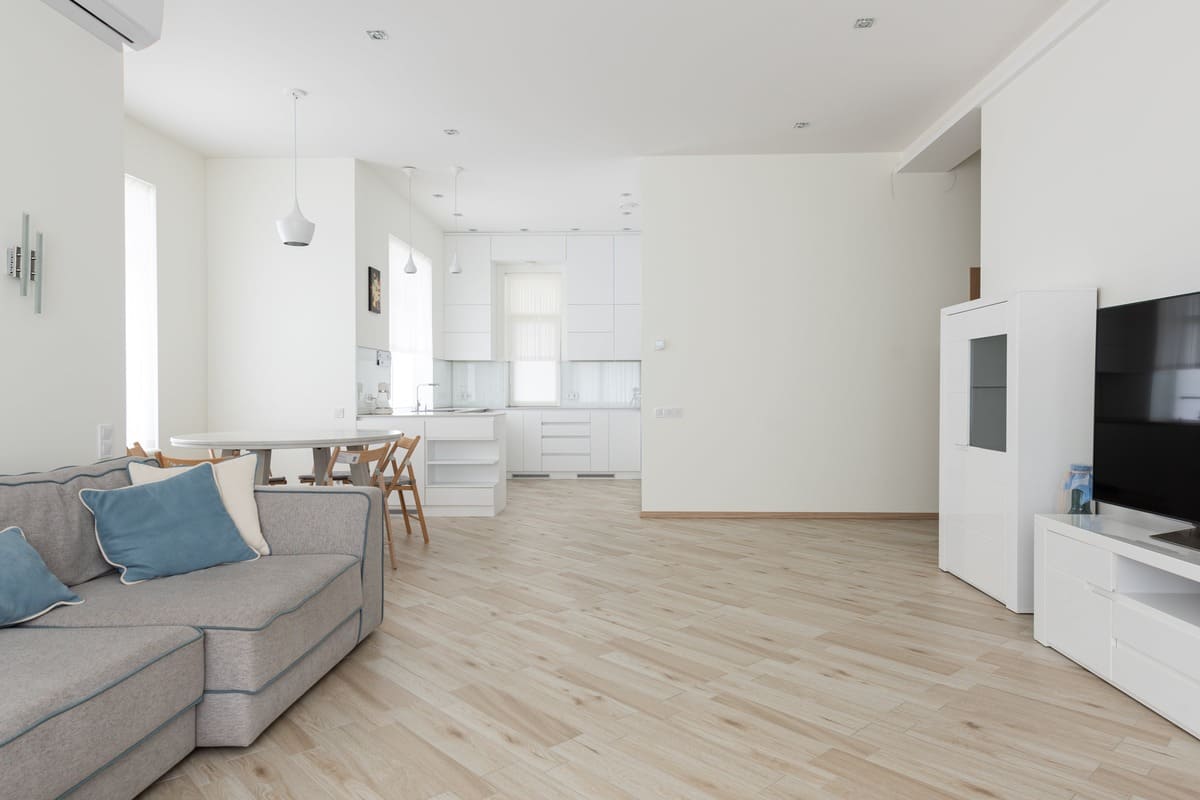
Abrasive wear from foot traffic creates another significant problem. Fine grit from shoes acts like sandpaper on the protective wear layer. Floors in high-traffic areas lose their glossy appearance faster than quieter spaces, and dust and sand particles create minor scratches each time someone walks across the surface.
Moisture damage affects about one-third of laminate flooring, especially in humid environments or when spills aren’t cleaned promptly. Excess water seeps into plank joints, causing lifting, swelling, or a cloudy haze, while the laminate’s resin can change with prolonged moisture exposure. For tips on preventing damage, see how to prevent laminate floors from buckling.
UV exposure gradually breaks down the protective coating. Prolonged sunlight causes fading and uneven colouring, with sun-exposed areas becoming up to 20% duller yearly, and temperature changes add further wear.
Using rough scrubbers, dirty mops, or excessive cleaning products worsens the issue. Over time, the protective coating wears down, and laminate shows age-related dullness after 5–10 years depending on quality and use.
Steps to Restore Dull Laminate Floors
Restoring your laminate floors requires a methodical approach. Follow these steps to bring back the shine and eliminate that cloudy, dull appearance.
1. Start with a Deep Clean
Vacuum or sweep to remove dirt and dust. Gritty particles act as abrasives and will spread across your floor during mopping if you don’t remove them first. Use a vacuum designed for hard floors or one with a setting that disables rolling brushes, as these can scratch laminate over time. A dust mop or soft-bristled vacuum attachment works well for this first step. Laminate floors have a tough wear layer but a particleboard base that is sensitive to water, so protecting it from moisture during cleaning is essential.
Clear loose debris first. Then use a microfiber mop with a laminate-safe cleaner or a homemade mix of warm water and a few drops of mild dish soap. Avoid soaking the floor. A lightly damp mop prevents water from seeping into seams, which can cause warping or swelling. The floor should dry within one to two minutes of mopping.
2. Remove Buildup and Residue
Cloudy surfaces signal film accumulation from cleaning products. Mix equal parts water and white vinegar in a spray bottle, lightly mist the floor, and wipe with a microfiber cloth. This solution breaks down residue without damaging the laminate. Stubborn waxy buildup requires a stronger mix: combine 2 cups of distilled white vinegar into a gallon of hot water. Too much cleaner creates the residue that dulls your floor’s finish, making this the leading cause of muted-looking laminate over time.
3. Test Cleaning Solutions First
Test any new cleaner on a small patch in an inconspicuous area before applying it to your whole floor. This simple precaution prevents potential damage or discolouration.
4. Work in Small Sections
Break your space into manageable sections. Apply a small amount of cleaning solution to each area and prevent the cleaner from drying before you wipe it. This approach will give you complete coverage and prevents streaking.
5. Dry Each Section Right Away
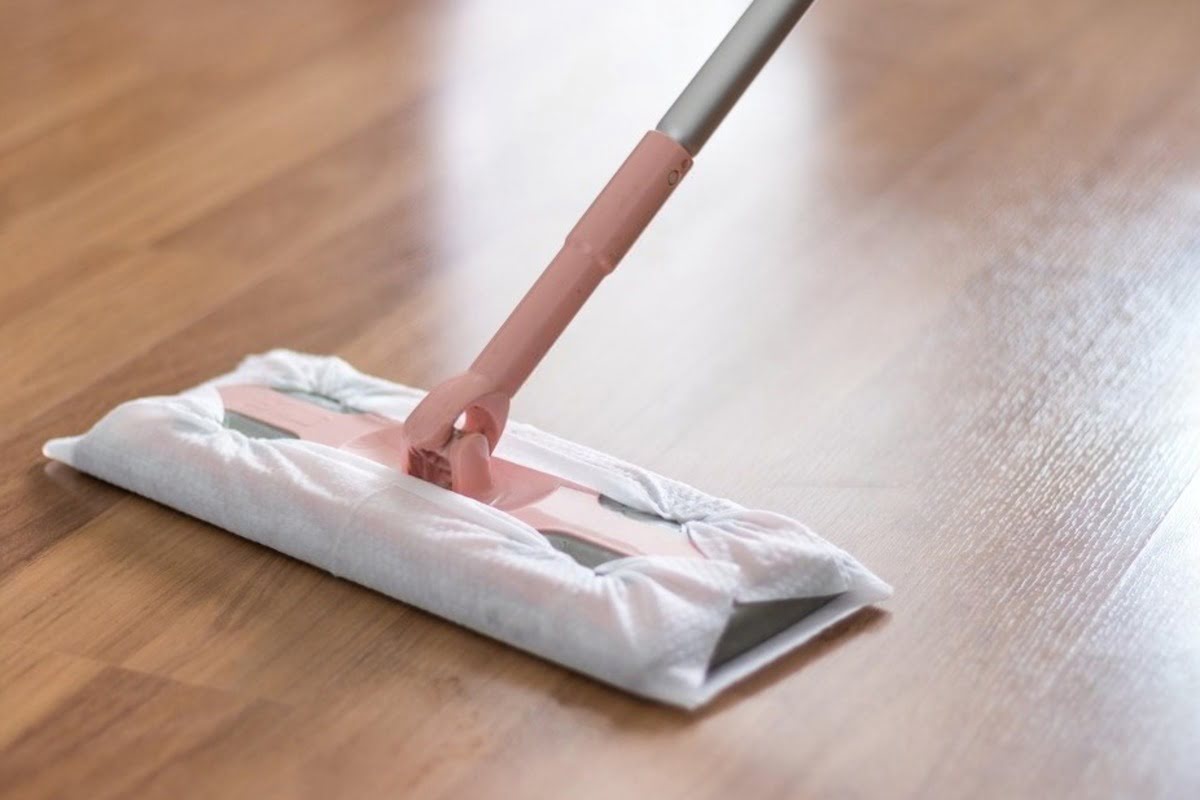
Dry each section completely with a soft, dry microfiber cloth or mop after cleaning it. Buff in circular motions to restore a natural-looking sheen. An absorbent cleaning cloth attached to a dust mop works well for this purpose. Proper drying substantially reduces water damage risk and boosts your laminate’s lifespan.
Best Methods to Shine Laminate Floor Surfaces
Selecting products that protect rather than damage your laminate determines how long that restored shine lasts. Different types of laminate have their own characteristics, which should be considered when choosing cleaning and polishing products.
Choose the Right Laminate Floor Cleaner
pH-neutral cleaners work best for laminate surfaces. Harsh chemicals strip the protective coating and ruin the finish. Therefore, skip ammonia-based products, bleach and abrasive formulas. Water-based, streak-free options like Bona Hard-Surface Floor Cleaner dry fast and leave no sticky residue. Black Diamond Wood & Laminate Floor Cleaner offers a biodegradable, plant-based alternative that performs well in homes with children and pets. Rejuvenate All Floors Cleaner restores shine without buildup through its neutral pH formula.
Apply a Laminate-Safe Polish
Choose polishes labelled safe for laminate or synthetic floors. Wax-based versions create slippery surfaces and attract dirt, so avoid them. Clean your floor before polishing to remove all dust and residues. Use a clean microfiber mop or applicator pad to apply a thin, even layer. The polish needs 20 to 30 minutes to dry before you walk on the surface. Multiple thin coats produce better results than a single thick application, provided you allow proper drying time between coats. Laminate floor revivers work well when applied every six months, depending on wear patterns.
Buff to Restore Natural Lustre
Buff the floor with a soft cloth or microfiber buffer after cleaning. This increases light reflection and smoothness. The laminate’s natural light-reflecting finish comes back through buffing.
When to Use Commercial vs Natural Products
Commercial formulas offer convenience with pre-mixed, quick-drying solutions designed for laminate. Natural alternatives like white vinegar diluted in water at a one-to-ten ratio clean deeply while leaving a shiny surface. Mix 2 tablespoons of olive oil, 2 cups of warm water and 1 tablespoon of distilled white vinegar for a homemade polish. Choose based on your preference for ready-made convenience versus economical natural ingredients.
Daily Care Tips to Maintain the Shine
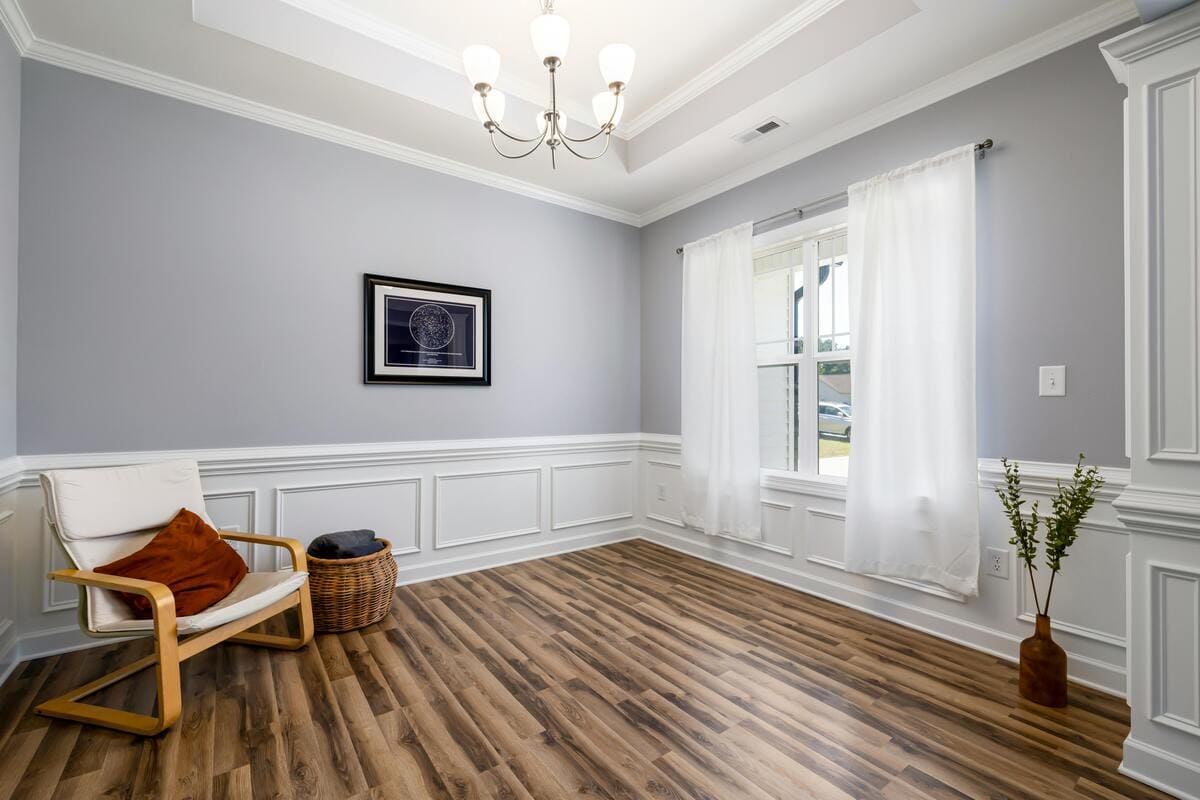
Prevention saves you from repeating intensive restoration work. Sweep frequently with a soft attachment to reduce abrasive soil, as underlined in EPA home moisture and indoor contaminant guidelines. These fine particles act like sandpaper and dull the laminate. Daily sweeping and spot cleaning prevent scratches, while deep cleaning every two weeks keeps floors in top shape.
Spills need immediate attention to avoid long-term damage. Liquids left to stand cause stains and more severe issues. A damp cloth handles cleanup for sticky messes that are still wet. Dried spots may need a few passes with gentle cleaning solution.
Vacuum with a soft brush attachment, especially in high-traffic areas. Adjust your vacuum to hard floor settings and disable beater bars to prevent scratches. This removes finer particles that sweeping might miss.
Doormats at all exterior doors capture dirt and moisture before it reaches your floors. Remove shoes at the time you enter, or at least wipe them really well. Protective felt pads beneath furniture legs minimize scratches and prevent indents. Your pet’s nails should stay trimmed short to lessen damage likelihood.
Excess water warps and damages laminate over time, so don’t soak floors. Skip harsh chemicals like bleach and ammonia. Routine maintenance doesn’t need wax or polish.
Conclusion
You now have everything you need to restore and maintain that showroom shine on your laminate floors. Regular sweeping, immediate spill cleanup and using the right pH-neutral cleaners will prevent most dulling problems before they start. Skip harsh chemicals and excess water. Stick with gentle methods and your floors will keep their beautiful lustre for years. The effort you put into proper care pays off with floors that look brand new.