
The right flooring can substantially affect your home’s comfort and value. Choosing the best flooring for house projects often starts with understanding how different materials perform in each room. Hardwood floors offer an impressive return on investment, earning back up to 106% of their cost, but the ideal choice always depends on function, durability, and design.
This piece guides you through the best flooring options room by room. You’ll learn about waterproof materials for bathrooms and cozy options for bedrooms. The right floors should fit your lifestyle, budget, and design priorities. Building new or fixing up your current home, you’ll find everything needed to pick beautiful, lasting floors.
Living Room: Balancing Style and Durability
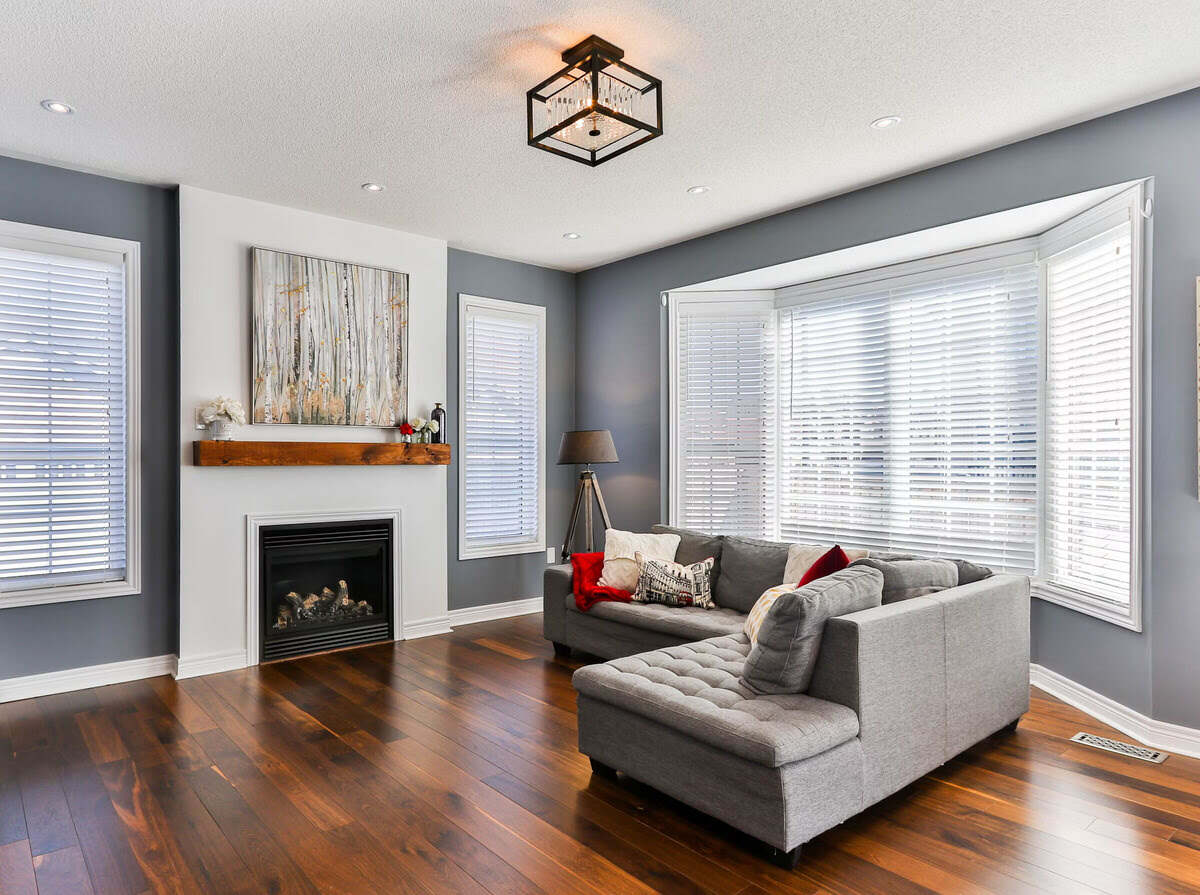
The living room is your home’s heart – a space where you relax, entertain, and spend time with family. You need to balance looks with practicality when picking the right flooring to create a beautiful and functional space.
Best flooring for living room: Top 3 picks
- Hardwood Flooring: This classic choice never goes out of style and lasts for generations. Hardwood floors can boost your home’s resale value by a lot. You’ll find them in different wood species, finishes, and plank sizes that add warmth and character to any living room.
- Luxury Vinyl Tile/Plank (LVT/LVP): These floors work great in busy homes and offer amazing durability with stylish designs. The water-resistant and scratch-resistant surface handles heavy foot traffic well. Your kids and pets won’t damage these floors easily thanks to their waterproof nature and simple upkeep.
- Carpet: Nothing feels better than soft carpet under your feet when comfort tops your list. Today’s carpets make rooms cozy and help with soundproofing. On top of that, they come in many colours, patterns, and textures to match any decor style.
How to choose based on lifestyle and pets
Your lifestyle and who lives in your home should guide your flooring choice. Pets live in more than 60% of U.S. homes, so pet-friendly floors matter more than ever.
Pet owners should think about these factors:
- Scratch resistance: Luxury vinyl, waterproof hardwood, and laminate work best to reduce pet dander and resist scratches.
- Moisture resistance: Waterproof options like vinyl prevent damage from accidents and spills near water bowls.
- Comfort underfoot: Pets find vinyl more comfortable than tile because it’s softer and less slippery.
Families with young kids need durable floors that clean easily. Waterproof hardwood gives you traditional charm plus protection from juice spills and muddy footprints. Luxury vinyl and laminate look beautiful while handling daily messes well. High-traffic living rooms need floors that last. Luxury vinyl plank, porcelain tile, and hardwood rank highest for durability, staying beautiful while resisting scratches and moisture differently.
Matching flooring with furniture and decor
The right mix of flooring and furniture makes your living room look amazing. Success depends on how colours and textures work together.
Wood elements need to match in both main colours and subtle undertones. Light furniture looks great with dark wooden floors, while dark pieces balance out light wooden floors nicely. Wood-on-wood combinations need matching undertones. Wooden furniture frames should complement your floor’s colour. Neutral floors work as a flexible base that pairs well with wooden furniture of any style.
Note that room balance matters. Large, dark furniture can overwhelm light walls and floors, even with matching undertones. Wall colours and existing pieces like rugs should contrast with your wood choice to avoid blending together. Modern spaces benefit from mixed materials. Wood floors pair well with metal accents, laminate surfaces, and stone textures to create interesting visual appeal.
Kitchen: Flooring That Handles Heat and Spills
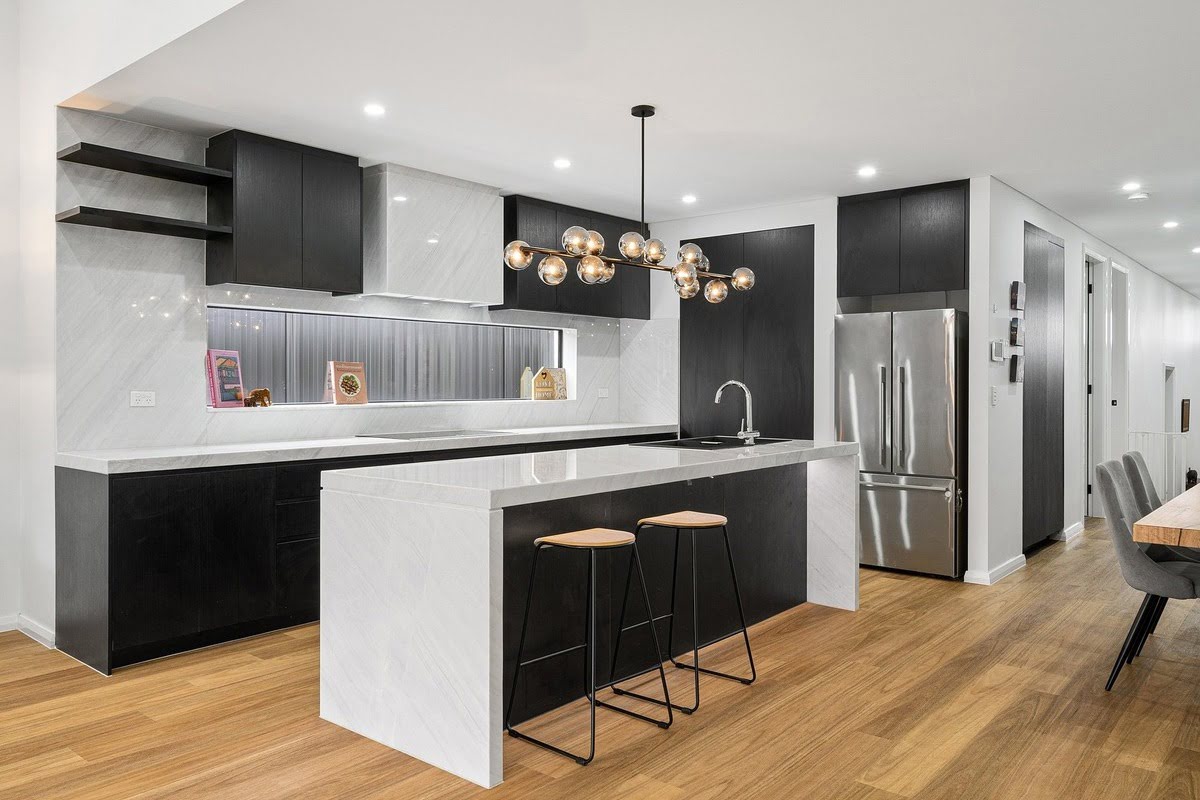
Your kitchen takes a beating every day. Spills, heat, and constant foot traffic make this space one of the toughest areas in your home. You need flooring that handles temperature changes, fights off moisture, and looks good despite heavy use.
Best flooring for kitchen and bathroom: What overlaps
Kitchens and bathrooms need similar flooring because both spaces deal with moisture regularly. So, several options work great in both rooms:
Porcelain and ceramic tile are top choices for both areas. These materials last long and resist moisture, which makes them perfect for wet spaces. Porcelain is a big deal as it means that it absorbs less than 0.5% of water, which helps it shrug off spills and humidity. A quick wipe is all you need to keep both materials clean and stain-free.
Luxury vinyl flooring (LVT/LVP) is another great choice that works in both spaces. Over the last several years, vinyl technology has improved by a lot. Now it fights water well and you can install it easily. Your feet will thank you in the kitchen because vinyl feels softer and warmer than tile during long cooking sessions.
Laminate flooring has come a long way. Modern versions handle water well enough for kitchens, but bathrooms might need special waterproof variants because of higher moisture.
Waterproof vs. water-resistant options
The difference between waterproof and water-resistant flooring is vital to pick the right kitchen floor:
Waterproof flooring handles serious water exposure, even standing water and floods. Water can’t get through the surface or core, so these materials stay strong even with long-term moisture contact. True waterproof options include:
- Porcelain and ceramic tiles
- Luxury vinyl tile/plank with waterproof cores
- Sheet vinyl (with properly sealed seams)
- Properly sealed concrete
Water-resistant flooring can deal with small spills if you clean them quickly. These materials fight off moisture at first but might not survive standing water or long exposure. Water-resistant options include:
- Standard laminate flooring
- Engineered hardwood with water-resistant finishes
- Water-resistant (but not waterproof) luxury vinyl
Most kitchens don’t actually need fully waterproof flooring. People usually clean up kitchen spills right away instead of letting them sit, so quality water-resistant options do the job. Notwithstanding that, waterproof options give you extra peace of mind, especially with kids or potential plumbing problems.
Slip resistance and safety considerations
Safety should be your top priority for kitchen flooring. Wet floors can be dangerous, so slip resistance matters.
Slip resistance is commonly evaluated using the Coefficient of Friction (COF). For wet conditions, many specs reference a dynamic COF (DCOF) of at least 0.42 as a slip-resistant benchmark, and higher targets may be appropriate in areas with more water, traffic, or contamination risk, such as kitchens.
Textured surfaces are a great way to boost safety. You can choose from:
- Textured porcelain or ceramic tiles with matte (not glossy) finishes
- Luxury vinyl with embossed or textured surfaces
- Quarry tile, which naturally grips well
- Cork flooring, which resists slips and feels comfortable
Temperature changes matter too. Kitchen floors must handle thermal shock–what happens when hot items meet cool surfaces. Porcelain tile handles this challenge well and won’t get damaged by hot pans or boiling water spills. Industrial-grade epoxy systems and quarry tile also hold up well under extreme heat.
The perfect kitchen floor matches your style while staying practical. It’s the foundation of your busiest room and should serve you well for years.
Bathroom: Moisture-Proof and Easy to Clean
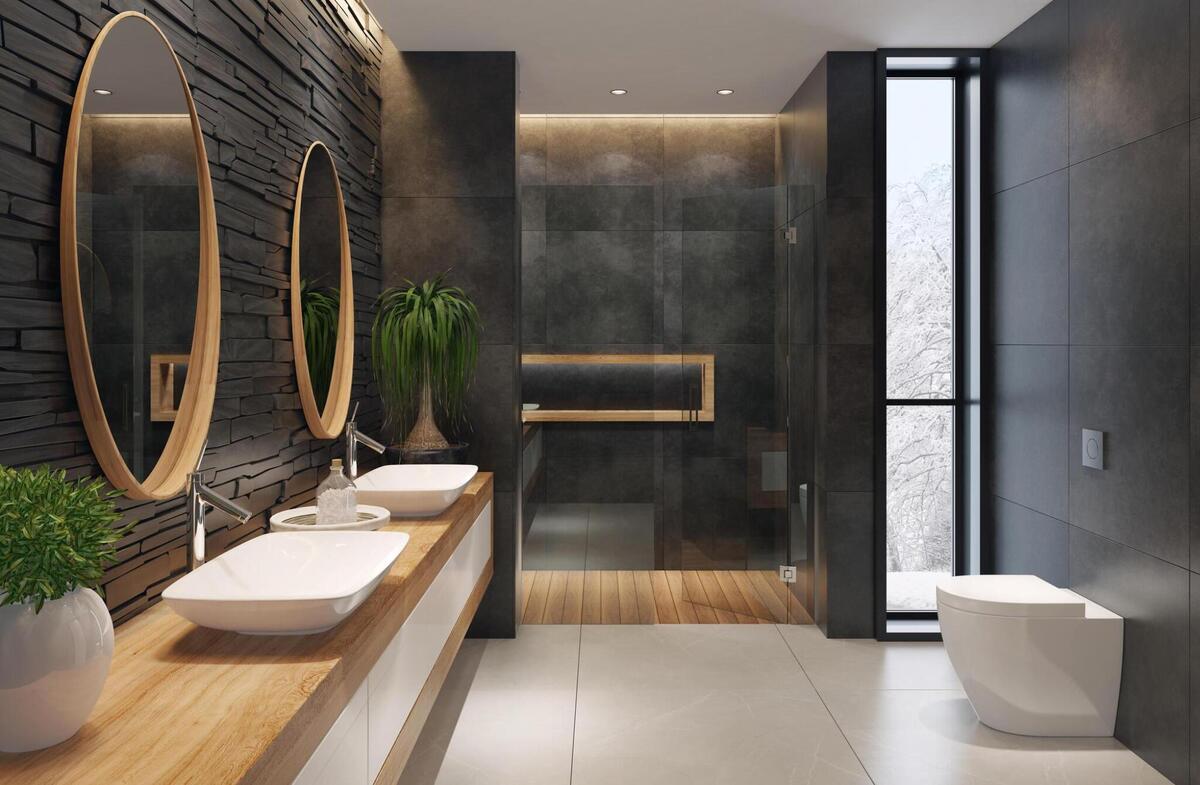
Bathroom floors face tough challenges every day. They must handle constant moisture, changing temperatures, and regular cleaning. The right flooring choice should resist water damage and be easy to maintain.
Why tile remains the top choice
Tile dominates bathroom flooring, and with good reason too. Ceramic and porcelain tiles excel at water resistance, making them perfect choices where you must manage moisture. Porcelain stands out by absorbing less than 0.5% of water. This creates a surface that water can’t penetrate, which stops damage and mould from growing.
Tile’s design options seem endless. You’ll find countless colours, patterns, and materials that match any style preference. Penny tile brings a classic vintage look with its small, round shape. Its many grout lines add grip to prevent slips. This texture creates both a safer and more attractive bathroom floor.
Porcelain works better than ceramic in bathrooms. Its finer-grade mixture makes it less porous, so it keeps water out more effectively. Many homeowners love how porcelain can look just like natural stone or wood grain without needing the same upkeep.
Luxury vinyl plank as a softer alternative
LVP gives you comfort and waterproof protection if tile feels too hard. Modern luxury vinyl plank combines multiple layers – a wear layer, printed design layer, vinyl core, and backing. This creates floors that resist scratches, stains, and moisture. Your feet will thank you for choosing LVP over ceramic or porcelain, especially during nighttime bathroom trips. Vinyl’s natural flexibility creates a cushioned feel that rigid tile just can’t match.
Modern luxury vinyl looks amazingly real. Advanced printing technology lets manufacturers create vinyl that’s hard to tell apart from wood, stone, and ceramic. You can get high-end looks without spending too much or dealing with difficult maintenance.
Avoiding common bathroom flooring mistakes
Homeowners often regret their flooring choices because they miss crucial details. Natural stone needs proper sealing. Water sneaks into grout lines and porous surfaces without proper sealing, which leads to mould and damage.
Highly polished tiles create another common problem when people forget about slip resistance. Your bathroom floor needs at least an R10 slip rating. Textured options give you essential grip on wet surfaces. Smooth, glossy finishes might look great but turn dangerous when wet. Long-term maintenance matters more than you might think. Natural stone needs sealing every six months, unlike porcelain or luxury vinyl that need less care. Carpet, laminate, or hardwood usually end up being bad choices since bathroom moisture ruins them quickly.
Skipping underfloor heating means missing out on comfort and practicality. Heated floors feel luxurious and dry faster, which reduces mould risk and makes your bathroom safer.
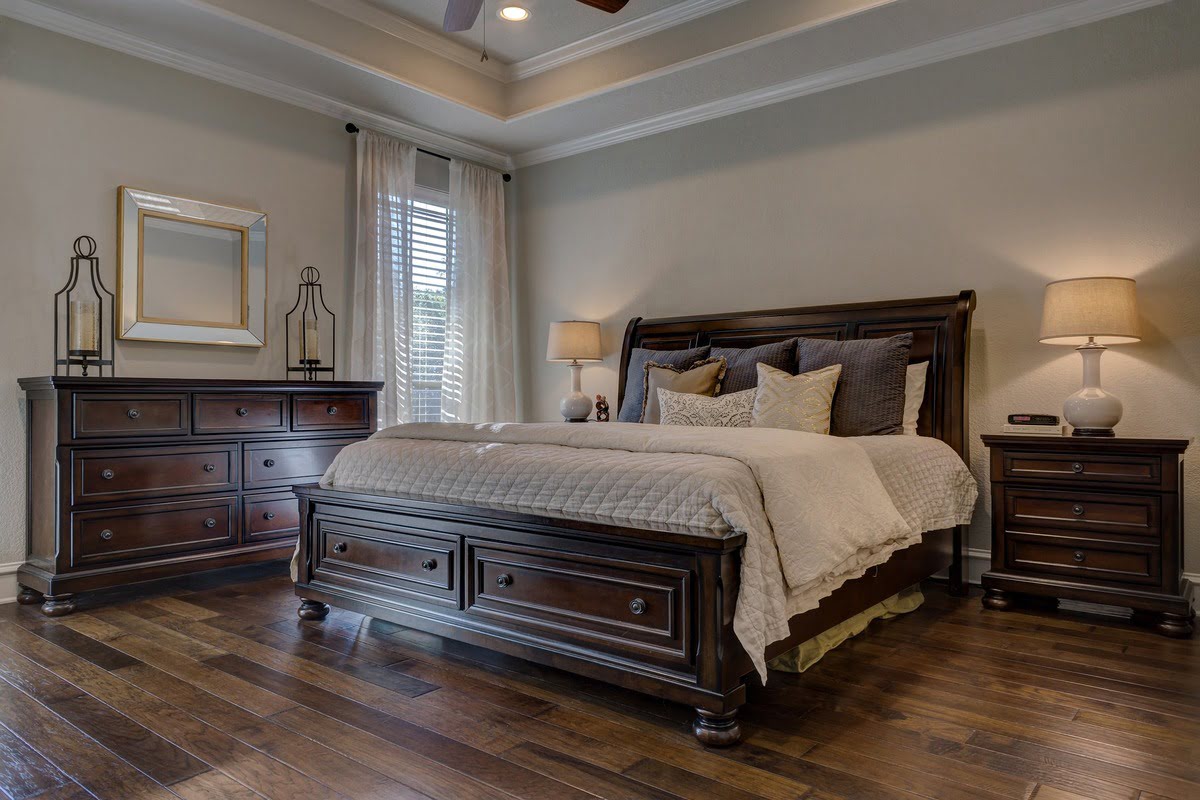
Bedroom: Comfort and Warmth Underfoot
Your bedroom is a personal sanctuary that puts comfort ahead of other flooring needs. We spend about one-third of our lives sleeping, so a cozy foundation under your feet deserves careful attention.
Best flooring materials for a cozy feel
Carpet remains America’s most popular bedroom flooring choice to maximize comfort. You’ll appreciate its natural warmth and softness when you step out of bed each morning. The high-pile varieties feel luxurious and inviting in this intimate space. Cork flooring stands out as an excellent choice if you want eco-friendly comfort. It feels warm under your feet and provides better sound insulation that creates a peaceful environment. Cork also reduces foot fatigue while you stand.
Engineered wood paired with area rugs gives you the best of both worlds. This combination blends hardwood’s elegance with the softness of textiles. It works great if you want a warm look with soft spots where your feet touch the floor most often.
Carpet vs. hardwood: Pros and cons
Carpet shines with its comfort, warmth, and sound absorption while staying cost-effective. It helps create a quiet space away from household noise. The biggest challenges include cleaning needs, allergen buildup, and a shorter life compared to harder materials.
Hardwood brings timeless beauty that can last decades–some types even come with 50-year warranties. While hardwood adds more value to your home, it comes with some drawbacks. These include noise reflection, higher upfront costs, and a harder surface under your feet.
Allergy-friendly flooring choices
Hard surface flooring works best if you have allergies. Hardwood floors are hypoallergenic and easy to clean, which reduces dust and other allergens that cause reactions. Cork naturally resists mould, mildew, and insects, making it a great hypoallergenic option. Tile also prevents allergen buildup with its non-porous surface, but it lacks the warmth many people want in their bedrooms.
If you love carpet’s comfort but worry about allergies, low-pile options with tight weaves resist dust mites and mould. Your air quality stays good with regular HEPA filter vacuuming, whatever flooring you choose.
Basement and Laundry: Dealing with Moisture and Cold
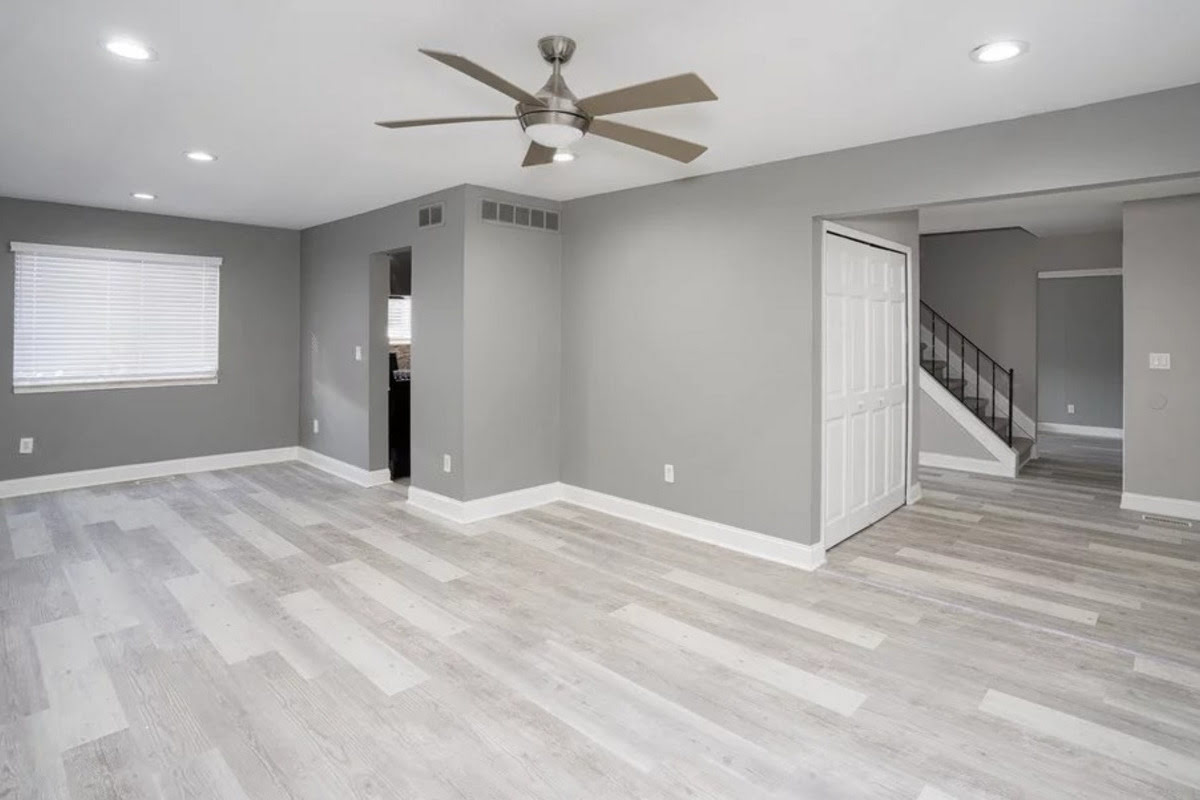
Basements and laundry rooms create unique flooring challenges because of moisture intrusion and temperature variation. These below-grade spaces just need materials that can handle tougher conditions than other parts of your home.
Best flooring options for below-grade spaces
Luxury vinyl plank (LVP) is the gold standard for basements and provides 100% waterproof protection against moisture vapour that rises through concrete slabs. Ceramic and porcelain tile are great choices too, offering permanent protection when installed with quality underlayment. Vinyl sheet flooring works best for laundry rooms. A single continuous piece creates a waterproof surface that handles minor flooding.
Floating floors and subfloor prep
The right subfloor prep is crucial before installing any basement flooring. Check moisture levels with a moisture meter first. Next, install a 6-mil polyethylene vapour barrier right over the concrete. Make sure to overlap seams by 6 inches and seal them with waterproof tape. Concrete sealers work best at temperatures between 50°F and 90°F. Floating floors that aren’t glued or nailed to the subfloor are perfect for basements. They allow natural expansion and contraction.
When carpet can work in basements
In stark comparison to what most people think, carpet works well in basements under the right conditions. Choose synthetic fibres like solution-dyed polyester, triexta, or polypropylene (olefin) since they resist moisture absorption. Installation should always happen over a waterproof subfloor or with moisture-resistant backing systems. Good humidity control through dehumidification helps prevent mould and mildew from growing.
Conclusion
The right flooring can make a huge difference in how your rooms look and work. Each space needs its own special type of flooring that fits your lifestyle and matches your design priorities. Quality flooring is worth every penny – it makes your home more comfortable and valuable. Whether you’re starting fresh or updating old spaces, smart flooring choices will pay off in looks, durability, and happiness with your home.
If you still have questions and need help making the best choices for your Vancouver area home, please contact us. BC Flooring professionals can help you find the best options, in addition to indicating materials and finishes suitable for your needs. Get in touch by phone (604-239-5500) or by clicking here https://bcfloors.ca/online-estimate/.